
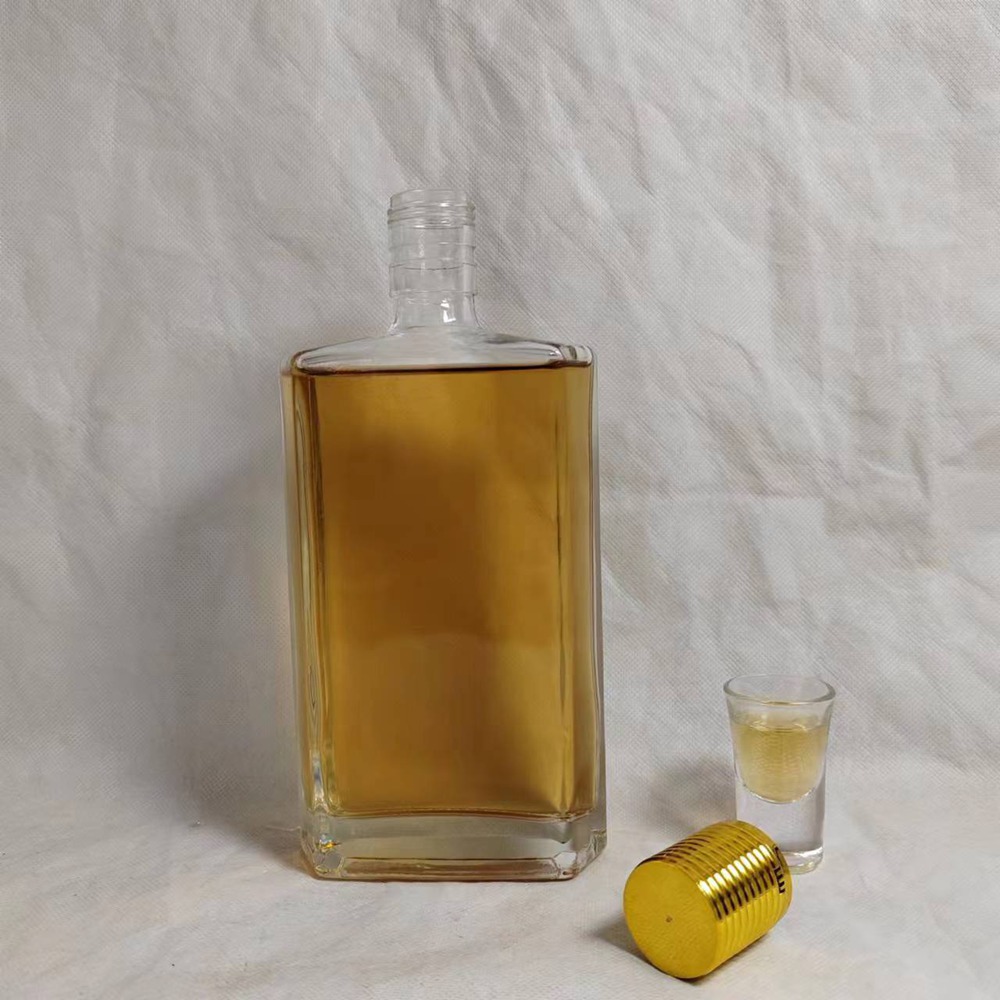
A cork lifting from a spirits bottle or a wet bottle neck is a reason to review the complete package, not immediately blame one component. Check the actual bottle-and-closure combination, intended fill, filling conditions and distribution history. Confirm the cause through an agreed technical assessment before changing the specification.
For a whiskey, gin, rum, vodka or brandy launch, a closure decision affects more than the appearance of the bottle. A package must be evaluated during application, storage, transport and repeated use. A stopper that feels convincing in one empty bottle has answered only a small part of that question.
This guide develops questions from earlier Reddit research into a practical purchasing framework. It includes additional discussion of corks backing out, a symptom comparison table, sample approval stages and a record template for communicating with suppliers. The checklists are editorial buying tools, not an industry test standard or a report of tests completed by RS Glass & Jingbo Glass.
What did the Reddit discussions actually tell us?
The discussions identify real questions about stopper fit and bottle behavior; they do not establish a defect rate or a technical diagnosis for another package. Use the questions to improve the purchasing brief, then request evidence for the actual bottle and beverage.
The earlier bottle opening and cork diameter discussion in r/bourbon began with a display-board project. Replies also described difficulties finding replacement stoppers that fit other bottles. That is a useful compatibility question, but the original project was not a controlled packaging trial.
A discussion about corks backing out in r/firewater includes reports that reducing an excessive fill resolved the poster's immediate problem. The retrieved discussion text is anecdotal. It provides neither a universal headspace allowance nor proof that every lifting stopper is caused by overfilling.
The previous research also included a bottling equipment question in r/Distilling. Its broader purchasing lesson is to involve the filler when selecting a bottle. That earlier source is retained for continuity; its full page could not be retrieved again during this update.
These are separate, selected discussions, not a representative survey. No ranking benefit, consensus percentage or current vote total is inferred from them. The useful next step is to convert each concern into a question that a drawing, component specification, sample or documented trial can answer.
Is a lifting cork the same problem as a leaking bottle?
No. Cork movement, visible seepage, a loose fit, a broken stopper and unexplained loss of contents are different observations. Record what actually happened before grouping them under the general phrase spirits bottle leakage.
A stopper can appear raised without a visible wet area. A bottle can show a wet neck without an obvious change in the stopper position. A decorative top can separate from its stem while the stem remains in the opening. These observations call for different evidence and should not be described interchangeably in a supplier complaint.
| Observed symptom | Information to collect | Question for the technical team |
|---|---|---|
| Stopper sits higher than its recorded position | Before-and-after photographs, sample identity and handling history | Has movement occurred, and under what conditions? |
| Wet area around the closure | Location, timing and whether the surface was previously clean | Is the liquid from the closure interface or another source? |
| Loose feeling during use | Component references and opening history | Does the assembled pair meet the agreed functional requirements? |
| Decorative top separates | Photographs and identities of both parts | Which assembly feature needs investigation? |
| Suspected loss during storage | Identified samples and comparable documented observations | What evaluation can distinguish possible causes? |
Do not repeatedly open, refill or modify the only affected sample before the responsible team explains what evidence should be retained. Preserve the observation and notify the appropriate supplier or quality contact. If there is glass damage, uncertainty about contamination or a potentially unsafe package, hold the affected supply for qualified review rather than trying to prove usability yourself.
Why is an empty-bottle fit check not a complete approval?
An empty-bottle fit check can help discuss assembly and appearance, but it does not establish performance with the intended liquid and operating conditions. Identify exactly what each sample review has and has not approved.
Jelinek Cork Group's spirits closure guidance discusses the bottle finish, beverage, tolerance range and fill level as parts of closure selection. It also distinguishes a check using the intended spirit from relying on an empty bottle or water alone. This supports an application-specific discussion, not a universal test sequence for every closure.
For purchasing purposes, separate a visual reference, a component matching sample and a complete package trial. The first can resolve color, shape or the visible cap height. The second can help establish the proposed component combination. The third must address the actual use conditions agreed with the responsible technical parties.
Write the approval limit beside the sample identity. For example, an appearance sample may still require confirmation of the final stopper stem or the filling process. A buyer should not have to reconstruct those limitations from an old email months later.
Water may be useful for a particular preliminary task defined by the technical team. It should not silently become the sole evidence for a different beverage or commercial application. Ask the filler and closure supplier to agree what the intended product trial must cover, who will assess it and what result permits release.
Can overfilling contribute to corks popping out?
Fill level and the remaining space beneath the closure deserve review when a stopper moves, but the correct allowance must come from the actual package and filling plan. Do not copy a fixed gap from another bottle or a forum reply.
The space available after filling depends on the vessel and the installed closure, not just the capacity printed in a catalog. A different insertion geometry or closure component may change what needs to be assessed. Ask the bottle supplier and filler to identify the relevant drawing information and the conditions under which it applies.
Jelinek's guidance links insufficient headspace with possible cork movement and asks buyers to consult the bottle's technical diagram. Its recommendation is relevant to the purchasing question, but this article does not convert it into an RS Glass & Jingbo Glass pressure rating or a prescribed fill height.
If you observe a raised stopper, record the actual fill information available, the closure reference and the time at which movement was first noticed. Share the intended filling conditions and subsequent storage history with the technical team. Avoid changing several variables and then treating a single improved observation as proof of the original cause.
The Reddit report that removing some liquid helped one poster is not an instruction to underfill retail products or alter declared contents. Set the commercial fill and acceptance requirements through the appropriate production and quality process. The objective is a properly specified package, not an improvised correction applied after launch.
How should filling and storage conditions enter the brief?
State the actual intended conditions and ask the filler and closure supplier to assess them together. There is no single bottling temperature or storage limit in this guide that can be applied to every spirit, stopper and bottle.
Amorim's Top Series information asks for bottles to be assessed when selecting its stoppers and discusses insertion and bottling conditions for that product family. It also indicates that different conditions may require a separately specified solution. These are manufacturer-specific instructions, not a claim that the same settings apply to all closures or that RS Glass & Jingbo Glass supplies that brand.
Provide the intended beverage, alcohol strength, relevant formulation information, filling conditions and expected storage environment to the responsible technical parties. Identify whether a proposal is based on the actual launch process or an assumption that still needs confirmation. Do not substitute an unrelated wine, beer or laboratory glass recommendation.
When investigating an issue, distinguish recorded conditions from guesses. A time-stamped process record is different from a recollection that the warehouse felt warm. Record what is known, identify gaps and ask what additional information would be meaningful. Do not invent a temperature exposure from a photograph.
Leave any deliberate temperature conditioning, pressure assessment or other potentially hazardous trial to qualified personnel using suitable facilities and procedures. An alcohol-filled glass package is not an appropriate object for improvised heating or pressure experiments.
Which bottle neck information should the closure supplier receive?
Send the actual neck drawing, its revision and the corresponding bottle sample. A nominal opening size or the apparent width of the decorative cap is not a complete interface specification.
Berlin Packaging's neck finish guide distinguishes dimensions including the inside opening, thread diameter and finish height. That terminology is useful for understanding a threaded interface. A bar-top project needs the dimensions and profile relevant to its own stopper rather than a thread designation copied onto a different system.
Ask the component suppliers to identify the functional dimensions and tolerances that control their proposed match. Keep the bottle model, drawing number and physical sample identity together. If a supplier is reviewing a preliminary design, mark it as preliminary instead of allowing it to circulate as a production specification.
RS Glass & Jingbo Glass can discuss bottle and stopper matching using product drawings and evaluate possible adjustments. An adjustment still needs confirmation of feasibility, any tooling implications, cost and an assessed matched sample. This is not a promise that every stopper can be made to fit every existing bottle.
When exchanging information between suppliers, make sure the closure supplier receives the same bottle revision that the bottle supplier is quoting. If the project changes, explicitly withdraw or supersede old references. A clear document identity often prevents confusion that otherwise looks like a disagreement about quality or workmanship.
How should a bar-top stopper be compared with a screw cap?
Compare complete proposed systems against the same use requirements, not the names of the closure types alone. Both need an identified bottle interface, suitable components and an agreed application and approval process.
For a bar-top proposal, ask which stem, decorative top and assembly are included and which party takes responsibility for their combination. For a screw-cap proposal, ask which finish, cap and sealing components are proposed and which application requirements the responsible supplier specifies. Do not assume a cap that appears to engage has established a complete seal.
Compare the expected opening experience, reclosing, appearance, handling arrangement and supply scope. Ask the filler whether its planned equipment can apply and handle the proposed system. Obtain the relevant supplier instructions instead of using one generic application setting for unrelated closures.
| Comparison item | Ask for a specific answer |
|---|---|
| Bottle interface | Which drawing and revision identify the neck? |
| Supplied components | Are the stem, liner, decorative top or other parts included? |
| Application | Who specifies and confirms the application requirements? |
| Use | What opening and reclosing evaluation is required? |
| Distribution | Which complete packed configuration will be assessed? |
| Commercial scope | Which sample work and component changes are included? |
This comparison does not rank either type as universally more leak-resistant. A suitable choice must be established for the actual product. Keep design preferences visible, but let technical and commercial confirmation determine whether the preferred option is ready for the order.
What should a matched sample set contain?
A useful matched set identifies the bottle, closure and intended application clearly enough for other parties to reproduce the review. A loose stopper and an unlabeled bottle sent separately can leave important questions unanswered.
Agree the sample quantity and selection with the responsible technical team. There is no universal sample count in this article. Request identification of the bottle model, drawing revision, component references and the stage represented by the supplied samples. Record whether the components are provisional or intended to represent the final supply.
Include the available technical documents, the proposed assembly requirements and the purpose of the review. If one sample is for appearance only and another is for functional assessment, label them accordingly. A prospective supplier should not need to guess which specimen is the approved reference.
If the bottle and closure come from different companies, nominate a coordinator for the combined package. Ask both parties what they need to evaluate their interface and who will record the decision. A bottle supplier's approval of its drawing and a closure supplier's approval of its component are not automatically approval of the assembled pair.
Retain the relevant reference or its agreed identification after the review. Photographs help communication, but a photograph should not be treated as a substitute for a physical sample where actual fit or handling is the issue. The sample approval guide can help organize the stages.
How should buyers plan a complete package trial?
Agree the purpose, responsible parties, conditions, observations and acceptance criteria before beginning a trial. The plan should explain what purchasing decision the result will support, rather than simply requesting a supplier to test everything.
Begin with the intended use description. Identify the beverage and alcohol strength, relevant filling conditions, the bottle and closure references, decoration and the packed configuration where applicable. Ask the filler, component suppliers and quality team to define the evaluation appropriate to those details.
Distinguish exploratory work from release evidence. An exploratory sample can reveal an issue worth investigating without establishing a defect rate or proving that a revised design is production-ready. If a change follows, identify which part of the review must be repeated and why.
| Trial planning field | Decision to document |
|---|---|
| Objective | Which open purchasing question is being resolved? |
| Configuration | Which exact samples, components and revisions are involved? |
| Conditions | Which intended-use or distribution conditions are represented? |
| Evaluation | Who defines and performs the appropriate method? |
| Observations | What will be recorded and at which agreed stages? |
| Acceptance | What criteria and decision owner govern release? |
| Limitations | What remains outside the scope of the result? |
Avoid presenting a checklist tick as a laboratory result. If a qualified external assessment is required, agree the relevant provider and scope. This guide deliberately does not prescribe a universal heating, inversion, pressure or drop procedure for alcohol-filled glass bottles.
What information should be recorded during evaluation?
Record enough context to connect each observation to the sample, conditions and decision it concerns. An isolated photograph labeled leaking bottle rarely tells a supplier what needs investigation or whether another sample is comparable.
Use a consistent record format across the project. Include the date, evaluator, sample identity, component references and the relevant approval stage. State whether the observation concerns assembly, storage, transport, opening or reclosing. Attach photographs or measurements that the responsible technical team has identified as useful.
When comparing samples, keep the basis comparable. A new bottle-and-closure pair should not be compared with a previously opened sample without recording the different history. Likewise, a visually selected sample should not be represented as a random sample from a production batch if that was not how it was obtained.
Separate the observation from its interpretation. Stopper position changed is an observation if supported by a record; defective glass is a diagnosis that requires evidence. Keep those statements distinct until the relevant review is complete. This makes discussion more efficient and reduces the risk that an assumption is repeated as a fact.
Record the disposition as well as the finding: approved for a defined scope, further information required, revised sample requested or held for investigation. Keep the decision owner and current revision visible. The aim is an actionable project record, not a long document that leaves the next step unclear.
Why must transport packing be reviewed with the filled package?
Packing for empty-bottle export and packing for a filled consumer product are different configurations. A satisfactory delivery of empty glass does not establish performance of the later filled, closed and decorated package.
ISTA's design and testing guidance emphasizes matching evaluation to distribution hazards and product vulnerabilities. It also notes that parcel distribution does not guarantee upright orientation. These points support a route-specific assessment; they do not mean any bottle in this article has passed an ISTA test.
Describe the journey you actually intend to use: shipment of empty bottles, receipt at the filler, movement of filled cases and any final retailer or parcel delivery. Ask the packaging team to identify which stages need separate evaluation. A supplier instruction for upright storage must not be treated as a guarantee that every carrier handling stage will remain upright.
Review the bottle, closure, insert, carton and any other relevant packing elements together. Identify which configuration is the approved reference and whether the product inside is part of that assessment. A visually attractive gift box is not evidence of distribution protection on its own.
If leakage is first noticed after transport, collect the shipment and packing references before changing the closure specification. A complete history is more useful than assuming that the courier, glass or stopper must be responsible. For initial questions, see the empty bottle export packing guide.
Does a capsule, wax finish or tamper strip prove the seal works?
No. An external finish or tamper-evident feature does not, by its appearance alone, establish the sealing performance of the complete bottle-and-closure package. Define the intended role of each component and evaluate that role with the responsible suppliers.
Ask what the decorative or tamper feature is intended to achieve. Keep that answer separate from the primary seal requirements and the distribution assessment. A component may serve more than one purpose, but those purposes should be documented rather than inferred from a finished photograph.
Include the final external treatment in the sample plan where it affects the package or the approval scope. If an earlier trial used an undecorated or differently assembled sample, ask whether additional review is needed. Record the actual configuration used instead of describing every stage as the final package.
Avoid using improvised layers, adhesives or wraps to disguise an unresolved fit issue. Any proposed corrective change should be assessed for the actual product, intended use and manufacturing process. The objective is a specified solution with a clear responsibility, not an undocumented modification applied to some units but not others.
The spirits bottle decoration guide can support appearance planning. It does not replace closure approval or certify a particular tamper system. Keep the appearance sample, functional requirements and final component list connected throughout the project.
What if the first sample works but production behaves differently?
Compare the approved reference with the delivered configuration and its history before deciding what changed. A successful development sample does not remove the need for production identification, agreed inspection and change control.
Check whether the bottle drawing, closure reference, decoration, application arrangement and packing match the approved scope. Verify which records are available for the delivered order and whether the sample was representative of the intended production route. Do not assume a visible similarity establishes identical components or conditions.
Ask the relevant suppliers to review differences together. If the bottle and closure each remain within their individual specifications, the combined package may still require an interface discussion. A purchasing record should identify who is responsible for the pair, not leave that question unresolved until a complaint arises.
For future orders, agree notification of relevant changes and identify when a new sample or review is required. A changed decorative top, stopper stem, neck detail or process assumption should not be introduced as an invisible substitution. Retain the current approved revision and separate it from superseded references.
The spirits bottle quality inspection checklist provides additional buying questions. Agree the actual inspection method, sampling approach and acceptance criteria with the responsible quality team. No universal defect allowance or production pass rate is supplied in this article.
How should a small brand arrange sample quantities or a trial order?
Separate access to samples, available stock and a dedicated production run. They can have different commercial conditions, and none should be assumed to approve the technical suitability of the complete package.
RS Glass & Jingbo Glass has confirmed that available stock can support small quantities without a fixed production MOQ, subject to the quantity and exact specification available. Request a current stock check. A catalog photograph is not a live inventory statement, and a model reference alone does not identify whether a particular closure is included.
If manufacture is needed, an existing mold or sample can support a case-by-case small-run assessment. Below-MOQ production may carry an additional setup or small-run charge. Confirm feasibility, quantity, component scope and the quoted basis before treating a trial order as an agreed production arrangement.
For technical work, request the sample configuration the relevant parties need rather than choosing a quantity solely because it is inexpensive to ship. Ask which parts are final, which are provisional and what later approvals remain. A low-cost trial can be useful when its purpose and limits are clear.
The small-order quotation checklist addresses commercial comparisons in more detail. Keep those comparisons linked to the technical brief so an affordable alternative is not approved on a different closure, packing or intended-use assumption without anyone noticing.
How can a buyer compare two proposals without hiding leakage risk?
Compare offers against the same package and approval scope, not just the unit price of the empty glass body. Identify the work and evidence needed before each option can be released for the intended application.
Ask both suppliers to state the bottle reference, closure components, sample stages, required approvals and packing basis. If one proposal leaves closure selection to the buyer while another includes an assessed match, record that difference. The quotations are not comparable until the outstanding responsibility is visible.
Do not invent a predicted rejection percentage to make an option look economical. Where a legitimate cost comparison needs information about rejected goods or inspection, use an agreed, traceable basis or keep the item marked as unknown. A forum anecdote about one failed cork cannot supply a commercial loss rate.
Discuss who arranges any additional evaluation and who pays for revisions. A cheaper component may remain an appropriate choice, but its lower price should not conceal unfinished development work. Likewise, a premium appearance or a high component price does not prove that technical questions have been resolved.
Use a decision list alongside the quotation: confirmed, provisional, excluded and awaiting evidence. That list helps the brand owner, filler and procurement team understand what the quoted amount actually buys. For broader delivery-scope questions, see the glass bottle landed cost comparison.
Can a 700 ml approval cover a similar 750 ml bottle?
Do not assume that related capacities share an approved bottle-and-closure configuration. Identify the actual drawing, closure and intended fill for each version, then ask the responsible team which evidence can be carried across and which requires separate review.
A brand may want the same design language across a 700 ml spirits bottle and a 750 ml version. That is a useful appearance objective, but matching silhouettes do not establish identical geometry or filling requirements. A capacity label is not a substitute for the technical information that identifies the proposed supply.
Keep a short variant matrix for the project. For each version, list its model reference, drawing revision, proposed closure, intended beverage, approval status and any open issues. If the same closure is proposed for several versions, ask the component suppliers to confirm the basis for that decision rather than assuming a common decorative top means a common interface.
Avoid approving one convenient sample and describing every related model as tested. A documented review may allow a relevant result to support another decision, but its scope should be identified by the responsible technical parties. Keep that justification with the variant record so future reorders do not rely on an unexplained assumption.
The same approach applies when comparing 500 ml bottles or a later limited-edition size. These are planning examples, not confirmation that a particular stocked model or tested configuration is available.
What does a trial with no observed leakage actually establish?
It records an outcome for the samples, conditions and observations within the trial's agreed scope. It does not automatically prove zero production defects, permanent performance or suitability under every distribution condition.
Keep the result connected to its method and sample selection. An assessment of identified development samples answers a different question from an agreed production inspection. Neither should be described as representative of an entire future supply without an appropriate basis. Ask the responsible quality team how much evidence is needed for the intended release decision.
Record what was observed and what was not examined. For example, an appearance review may not address the intended beverage, while a component assessment may not include the final gift pack. Clear limits make the result more useful; they do not make a successful review meaningless.
If an issue occurs later, compare its circumstances with the scope of the earlier work. A different closure, application arrangement or shipping configuration may require additional review. Alternatively, the issue may reveal a question the original plan did not address. Establish the difference through records rather than rewriting the earlier result from memory.
Use precise commercial wording. State the identified configuration and approval scope instead of converting a limited outcome into a blanket leakproof claim. This article supplies no failure probability, statistical confidence level or sample-size rule; those decisions belong with the parties defining the actual evaluation.
What should a useful supplier response confirm?
A useful response identifies the proposed package, remaining assumptions and next approval step. It should make clear what is being offered and what still requires evidence, rather than answering every technical question with a general quality assurance statement.
Ask the supplier to return a brief confirmation organized around these points:
- The exact bottle model or drawing revision being reviewed.
- The proposed closure and which components are included in its price.
- Whether matching is based on drawings, identified samples or an unresolved assumption.
- The intended beverage and filling information used for the proposal.
- The sample configuration, its purpose and the approvals still required.
- Any possible adjustment, with feasibility and commercial conditions identified.
- The packing scope and whether it concerns empty or filled supply.
- The responsible contacts and the next decision needed from the buyer.
Separate a technical answer from a commercial commitment. A proposal to assess an adjustment is not confirmation that the adjustment is feasible, free or already approved. Similarly, an estimated sample arrangement should not be described as a reserved production slot unless that has actually been agreed.
When several suppliers are involved, circulate one current response set to the project coordinator. Resolve contradictory assumptions before placing the order. The goal is a clear handover: the buyer knows what information to send, each supplier knows which configuration to review and the filler understands which decisions remain open. This creates a practical basis for both sample approval and a comparable quotation.
What should an initial leakage investigation record look like?
Start with a neutral description of the observation and a traceable package identity. Let the appropriate technical parties determine the additional assessment rather than writing a cause into the complaint before the evidence is reviewed.
Use the following framework for the first communication. It is a reporting aid, not a required test method, acceptance standard or instruction to handle a potentially unsafe sample.
| Record field | Information to capture |
|---|---|
| Order and product | Order reference, bottle model and relevant batch or shipment identity |
| Bottle | Drawing revision and any available identification of affected supply |
| Closure | Supplier, component reference and whether the supplied pair matches approval |
| Observation | What was seen, where and when; distinguish seepage, movement and breakage |
| Quantity basis | Number inspected and number observed, with the selection method stated |
| Filling history | Available process records and conditions, without inventing missing data |
| Handling history | Storage, shipment and opening history actually known |
| Packing | Carton, insert and shipment references and observable packing damage |
| Evidence | Photographs or other records requested by the responsible technical team |
| Current disposition | Whether affected supply is held and who is coordinating review |
| Next decision | Requested assessment, responsible parties and follow-up arrangements |
Attach the current approved references if they are available. Keep unsupported assumptions in a separate questions section. If the sample history is incomplete, say so. A concise honest record helps a supplier decide what to investigate; a confident but unverified diagnosis can send the review in the wrong direction.
What should a supplier handover include before production release?
Release production against an identified configuration and a record of the approvals that apply to it. Keep open items visible until the responsible decision owner confirms they are resolved or accepts a defined limitation.
Bring the bottle drawing, closure specification, intended-use description, artwork and packing reference into one current project set. Identify the approved sample and the agreed inspection and change process. Make clear which party approves the bottle, which approves the closure and which confirms the combined package for the planned filling operation.
The release does not need to be a complicated document. It does need to prevent several incompatible versions from being called final. A drawing revision without its approved closure reference, or a sample approval without its actual application scope, can create avoidable confusion later.
Ask the filler to acknowledge the configuration it will receive and the requirements it needs to implement. Identify what happens if components, timing or suppliers change after release. Keep the person responsible for authorizing those changes clear, especially where procurement and technical approval sit with different teams.
Retain the relevant evidence for receiving and repeat orders. A future team member should be able to understand what was approved without relying on the memory of the original buyer. See the private-label bottle project timeline for wider coordination questions around a launch.
How should filled goods be handled while an issue is reviewed?
Follow the responsible quality and safety process, preserve traceability and avoid releasing affected supply merely because a simple adjustment appears to help. This purchasing guide cannot determine the suitability of a damaged, leaking or otherwise suspect filled bottle.
Notify the parties responsible for product quality and the relevant suppliers. Identify what supply is affected or potentially affected and keep the available records connected to it. Agree who controls further handling, sample assessment and any communication to customers or logistics parties where required.
Do not use pressure, improvised heating, glass alteration or unassessed replacement components as a shortcut to resolving the issue. Do not treat reduced seepage after a change as proof that the product is suitable to distribute. The correct disposition depends on the actual finding and the applicable responsibilities.
Keep the discussion constructive and specific. Ask what evidence is needed, which hypotheses will be evaluated and what decision follows from each result. A supplier may need more information before it can responsibly identify a remedy. Record the proposed change and its approval scope before applying it to a production quantity.
For later prevention, incorporate the confirmed finding into the specification, trial plan or packing review as appropriate. Do not turn an unresolved complaint into a general claim that every closure of one material is unsuitable. The value of an investigation is a documented, relevant improvement rather than a convenient universal explanation.
Frequently asked questions
Why does the cork keep popping out of my whiskey bottle?
The observation can justify a review of the actual closure match, fill information, application and subsequent conditions. A forum report is not enough to diagnose your bottle. Record the package identity and history, then ask the responsible filler, closure supplier and quality team to assess the cause.
Are all whiskey bottle corks the same size?
Do not assume they are interchangeable. Match the actual bottle neck drawing and the closure specification, including the relevant dimensions and tolerances, then assess the selected pair. The earlier Reddit discussion describes replacement-fit frustrations; it does not provide a universal spirits neck or stopper dimension.
Does a tight fit in an empty bottle prove it will not leak?
No. It is a limited assembly observation, not complete-package approval. Agree an evaluation covering the intended beverage, filling conditions, components and relevant handling. Identify what remains unapproved when using a preliminary sample, and avoid transferring a result from one configuration to another without review.
Is there one correct headspace for every spirits bottle?
No universal allowance is given here. Request the appropriate information for the actual bottle, installed closure, intended fill and conditions from the responsible suppliers and filler. Do not copy a dimension from a different bottle, a wine bottling guide or an anecdotal Reddit response.
Can I replace the cork with a screw cap to solve leakage?
Only an assessment of the complete proposed system can establish whether a change is appropriate. A different cap needs the corresponding bottle interface and application requirements. Do not assume a screw cap can replace a bar-top stopper on the same neck or eliminate every cause of leakage.
Does a shrink capsule or wax finish make the package leakproof?
Not by appearance alone. Identify the intended function of the external feature separately from the primary seal and assess the final configuration. A decorative or tamper-evident component should not conceal an unresolved bottle-and-closure match or replace the technical approval required for the actual package.
Can RS Glass & Jingbo Glass adjust the bottle neck or stopper match?
The company can discuss drawing-based matching and evaluate possible adjustments. Feasibility, tooling implications, cost and a matched sample still need confirmation. An adjustment discussion is not a guarantee that any existing stopper can fit any bottle or that a drawing change establishes sealing performance.
Can I obtain a small quantity before a larger order?
Ask for a current check of the exact design and required components. Available stock can support small quantities subject to availability. If production is required, a small run is assessed individually and may involve an additional setup or small-run charge. Confirm the sample and trial scope separately.
Is Reddit evidence that a bottle design is defective?
No. A selected post can identify a concern worth investigating, but it does not establish a defect rate, representative market result or diagnosis of a different package. This guide uses discussions to frame purchasing questions and identifies manufacturer and packaging references separately from those anecdotes.
Does an empty-bottle export carton approve the filled gift pack?
No. They are different configurations and may travel through different distribution stages. Ask the responsible packaging team to define the evaluation needed for the filled bottle, closure, insert and outer packaging. Keep the assessed configuration and its limitations identifiable in the project record.
What should I do if a production shipment shows wet bottle necks?
Use the responsible quality process, retain shipment and component identity and request instructions for recording and assessing the issue. Do not distribute suspect supply or assume the cause from one photograph. Preserve relevant evidence and involve the filler and component suppliers as appropriate to the finding.
Which information should I send for a bottle and closure review?
Send the bottle model and drawing, closure reference, intended beverage and alcohol strength, filling requirements, quantity and packing plan. Include the actual observation and available history if investigating an issue. Ask for a defined matching and sample plan rather than a generic promise of no leaks.
Plan the bottle and closure together with RS Glass & Jingbo Glass
Start with the actual package brief and the main question that still needs answering. A drawing-based match, an identified sample set and a clear approval plan create a better basis for purchasing than a product photograph or an unsupported leakproof claim.
For a new project, provide the bottle concept or model, intended capacity, beverage, alcohol strength, closure preference, order quantity, filling requirements and destination. If you already have a stopper, share its drawing and component reference. Ask which parts of the proposal are confirmed and which need a matched sample or technical review.
For an existing issue, send a neutral observation record and retain the relevant package identity. A stock inquiry, design adjustment and fault investigation are different requests; identifying the purpose helps route the work correctly. No current inventory quantity, fixed production minimum or test result is implied by this article.
Continue with the bottle neck and stopper matching guide, review custom glass bottle options, or request a project quotation.
Prepared for RS Glass & Jingbo Glass on 27 October 2026. Reddit discussions are question sources, not a survey or technical approval. Manufacturer references concern their own guidance and products; citing them does not claim a supply relationship, certification or completed test. No independent technical review or unverified reviewer credentials are claimed.
