
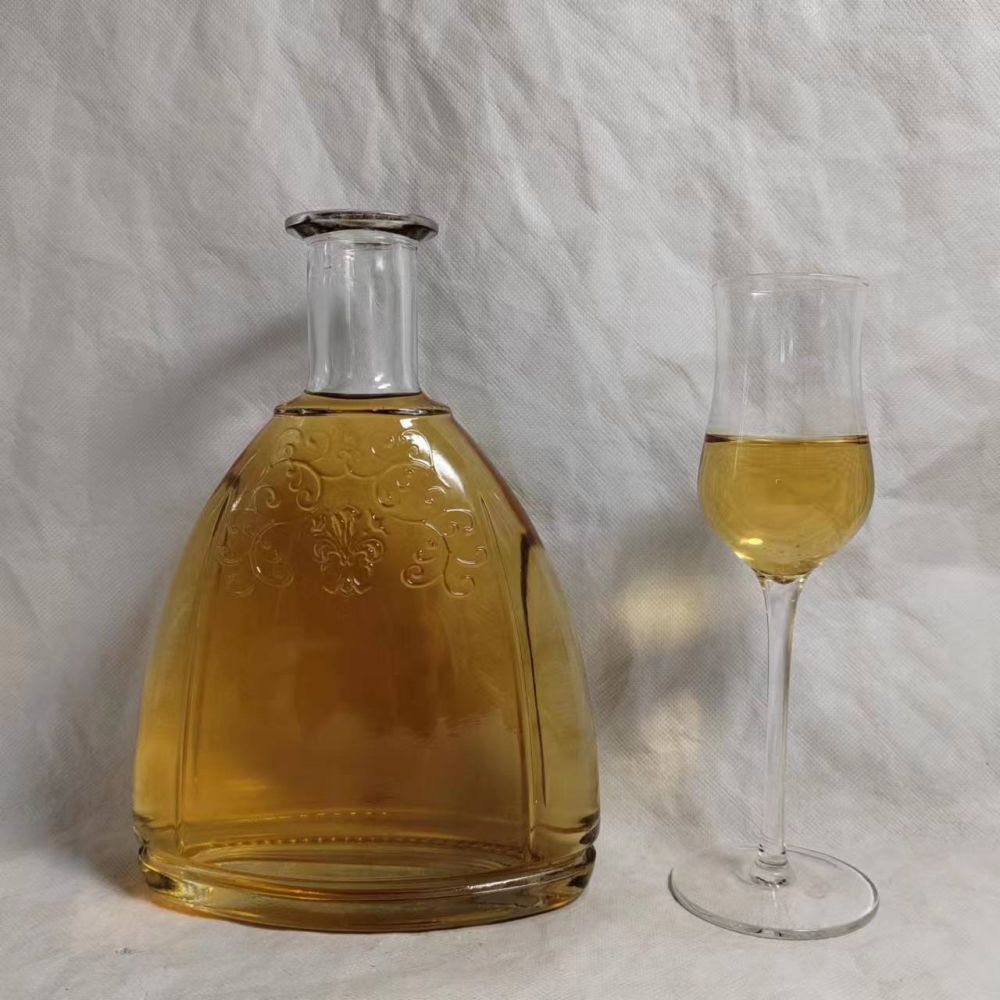
Approve a glass bottle sample against a written specification, not only its appearance. The approval should identify the bottle version, capacity, drawing, closure, decoration and checks completed. Keep an approved reference and record any unresolved issues. A sample used to compare shapes is not automatically a production-approved sample for the finished packaging project.
Name the Purpose of Each Sample
Ask whether the sample represents an existing catalog shape, a new-mold trial, a decorated bottle or the completed package. State which decisions the sample is meant to support. A clear undecorated bottle can help compare proportions but cannot approve a color coating or printed artwork.
Record any difference between the sample and the proposed production specification. If the supplier provides a similar design while the exact capacity version is being prepared, label it as a reference. This prevents a temporary substitute from becoming an unintended approval for the actual order.
Check the Technical Interfaces
Compare the bottle with the approved drawing and the dimensions that matter to filling, labeling and packing. Confirm which capacity measurements are being used. Ask your filling partner to assess the proposed package with its equipment before the supplier commits to bulk production.
Closure fit is a separate interface to check. Berlin Packaging explains the different neck dimensions in its neck finish guide. Use the actual bottle and closure specifications for the project, then record the agreed fit and package checks rather than assuming compatibility from appearance.
Review the Decorated and Packed Version
Inspect artwork size, orientation and placement on the actual surface. Check that the selected finish matches the approved reference and that required transparent areas remain usable. Review the package with its closure installed and its intended labels in place.
If the finish could be affected by bottle-to-bottle contact, inspect a sample of the proposed divider or carton arrangement. Record what was reviewed and what still requires confirmation. A photograph of a bottle on a table does not show whether the bottle fits its export carton or retail box.
Make the Approval Easy to Reuse
An approval record should list the drawing revision, artwork revision, sample identifier, review date, reviewers and outstanding actions. Photograph key views and retain an approved sample where practical. Record whether approval is conditional and exactly what must be corrected.
For a project based on a flat spirits bottle with a wooden-cork reference, confirm the version and closure rather than approving the product title alone. Link the sample record to the quotation and purchase specification. When something changes later, the team can see which approval needs to be repeated.
Buyer Checklist
- Sample purpose and reference identifier
- Drawing and capacity version
- Bottle and closure interface review
- Artwork and finished appearance
- Filling-line and packing checks
- Written approval, exceptions and retained reference
Frequently Asked Questions
Can a catalog sample approve a custom project?
Only the features it actually represents can be approved. Record the differences and request the required custom or decorated sample.
Who should review the sample?
Include the buyer, brand or artwork owner and the filling or packing partner for the requirements they control.
What happens if artwork changes after approval?
Identify the new revision and ask which sample or inspection approvals must be repeated before production proceeds.
Related Buying Guides
Spirits Bottle Closures: Corks, Caps and Neck Finish · Spirits Glass Bottle Quality Inspection Checklist
Discuss Your Bottle Project
Send RS Glass your bottle reference, capacity, quantity, closure, decoration requirements and destination. Request a project quotation or view the company and factory introduction.
