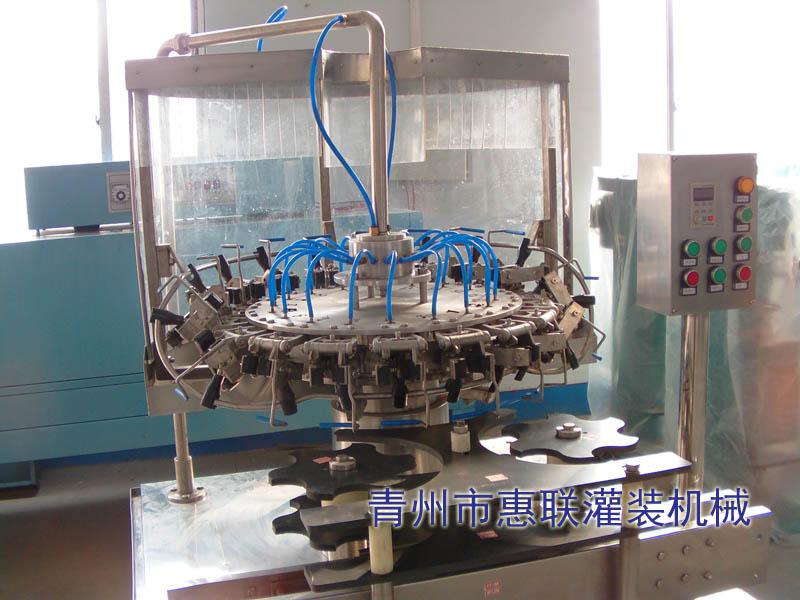
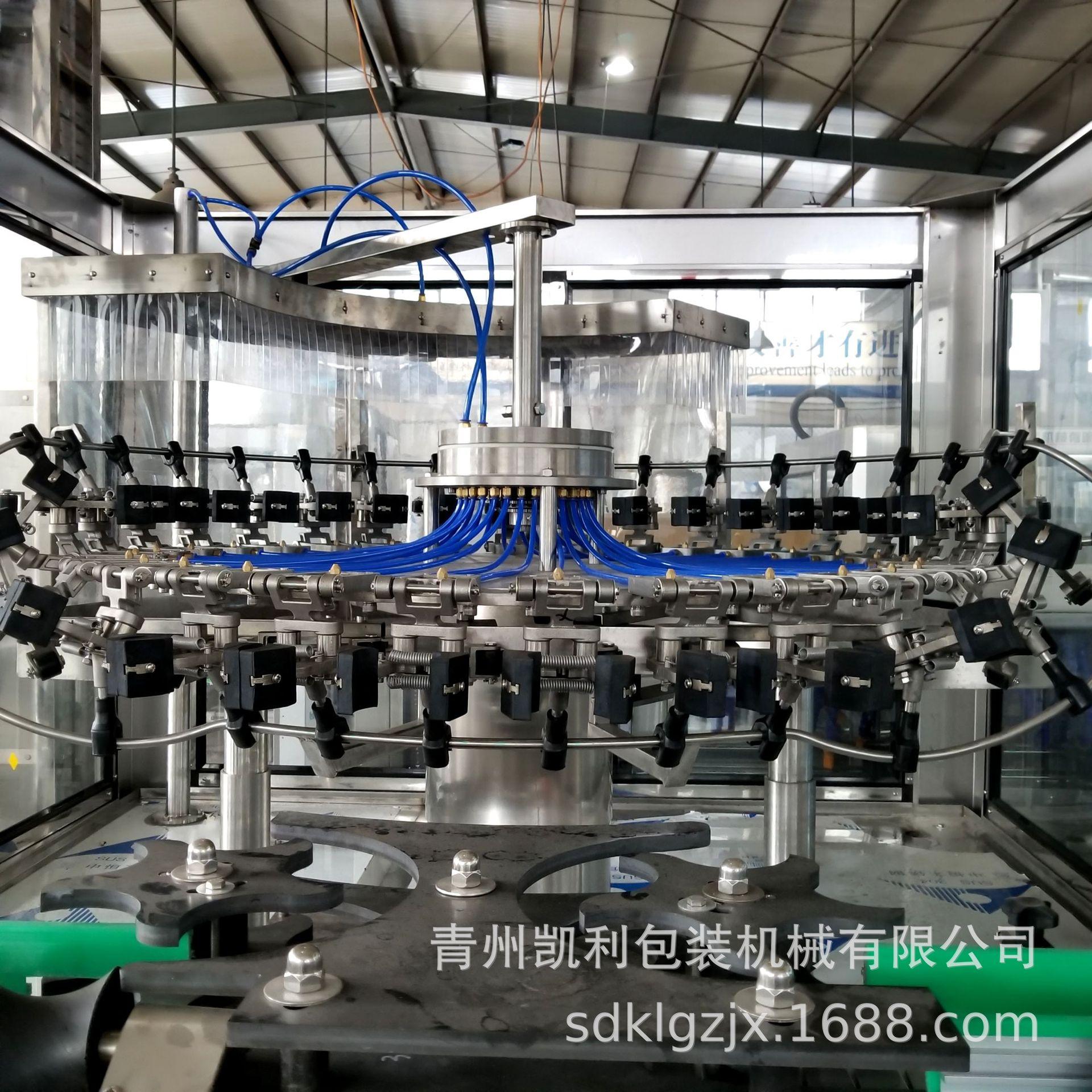
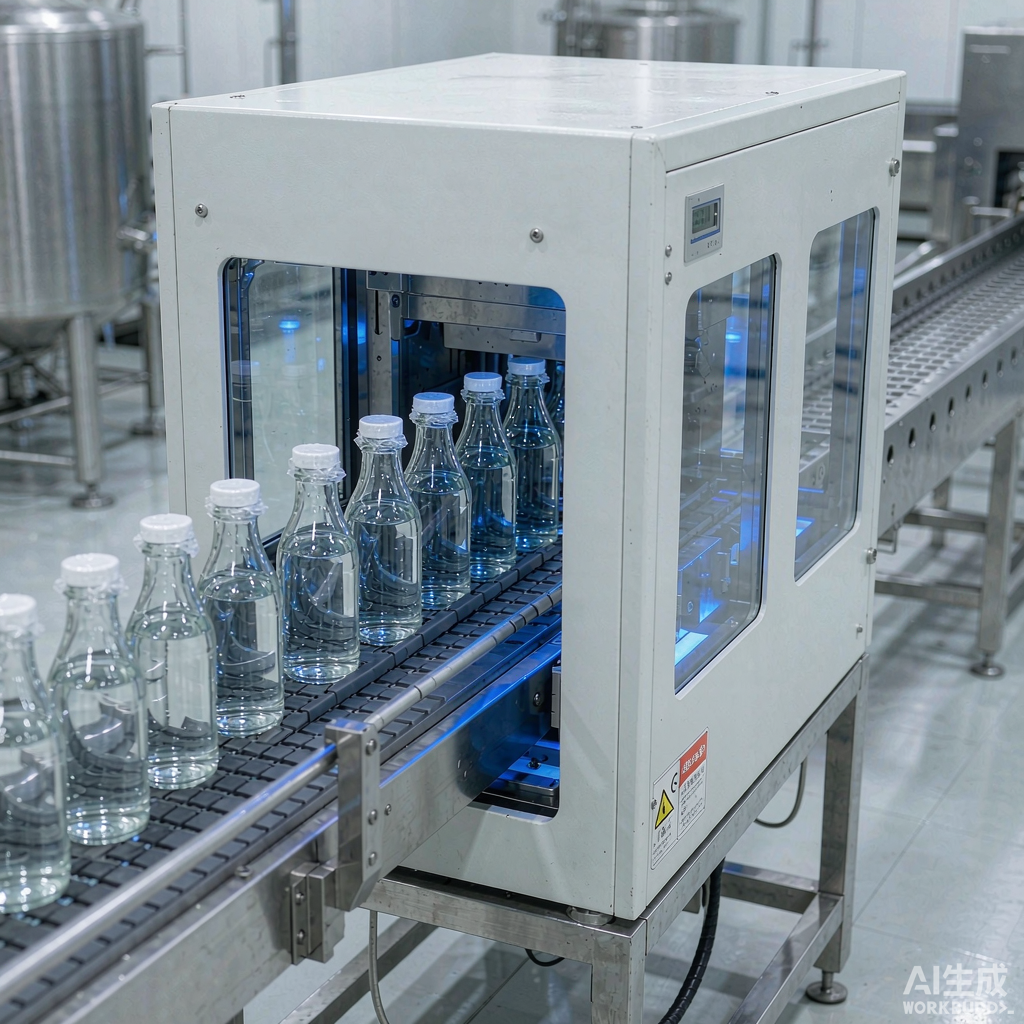
Industrial glass bottle rinsing equipment with conveyor handling is used to move compatible bottles through a defined rinse stage and toward the next packaging operation. Bottle stability, opening orientation, rinse objective and line interfaces determine whether this inline arrangement fits a production line.
Rinsing versus washing
Rinsing is a bottle-preparation step and is not automatically equivalent to intensive washing or sterilization. The type of residue, required cleanliness and downstream process should be defined before selecting a rinse method.
Line-fit information
- Bottle drawings or samples, dimensions, shape and neck opening
- Required bottle orientation and transfer direction
- Rinse objective and condition of incoming containers
- Expected line speed, conveyor height and adjoining equipment
- Available utilities, installation space and line layout
Share bottle data, the rinse target, upstream and downstream equipment drawings, expected line speed and site layout. Engineering review is needed to confirm the conveyor interface, operating method and final scope before quotation.
Buyer questions
What does conveyor-based bottle rinsing equipment do?
It transfers compatible bottles through a configured rinse stage and onward to the next operation. The orientation and timing depend on the complete line design.
Can rinsing remove heavy or dried residue?
Not necessarily. Rinsing should not be assumed to replace intensive washing; residue type and cleanliness target determine the suitable process.
How is conveyor compatibility checked?
Compare bottle geometry, opening orientation, line height, transfer points and speed with the plant layout and adjacent equipment.
Can the equipment sterilize bottles?
Rinsing alone does not establish sterilization. A separate process definition and validation review are needed for any sterilization objective.
What should I provide for a quotation?
Send bottle drawings or samples, rinse target, expected line speed, utilities, conveyor height and plant layout.
Request a line-fit review: Share your glass bottle specifications and conveyor layout to assess inline rinsing equipment for your packaging line.