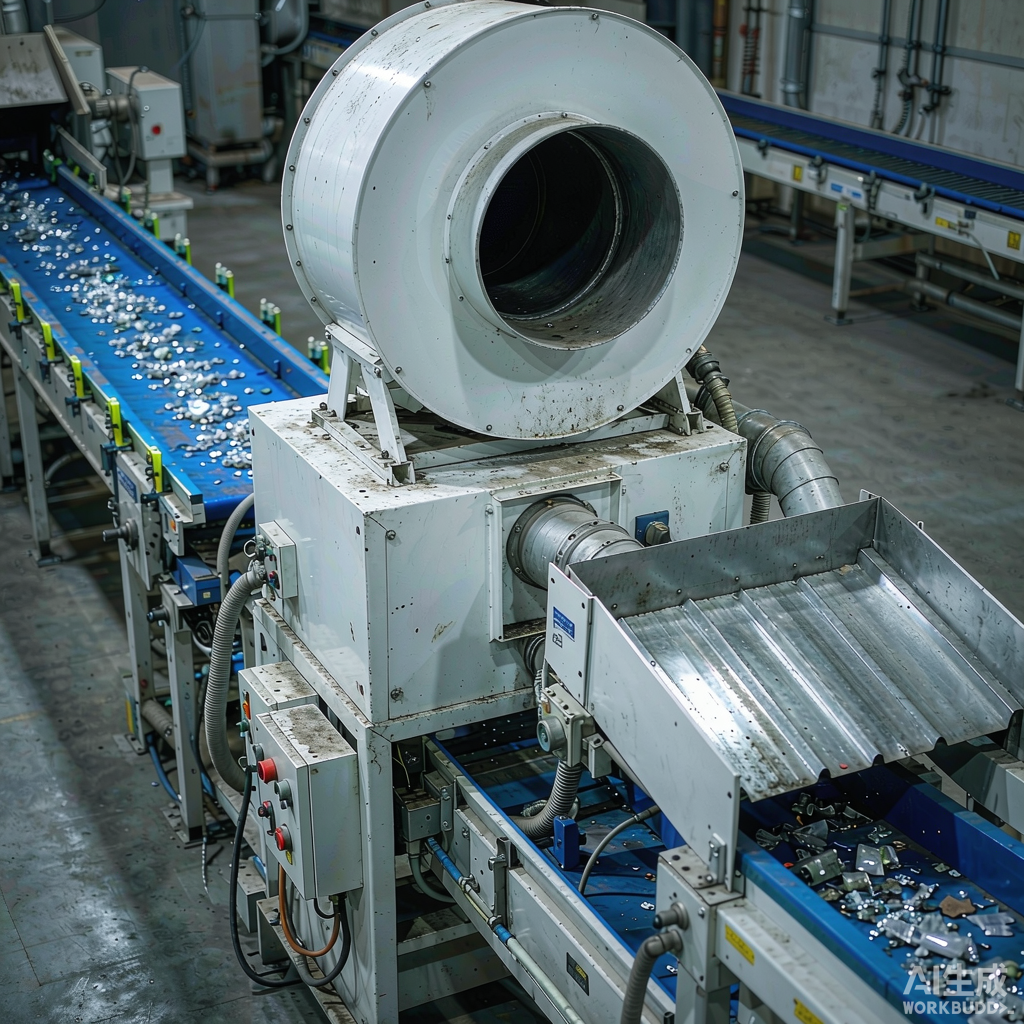
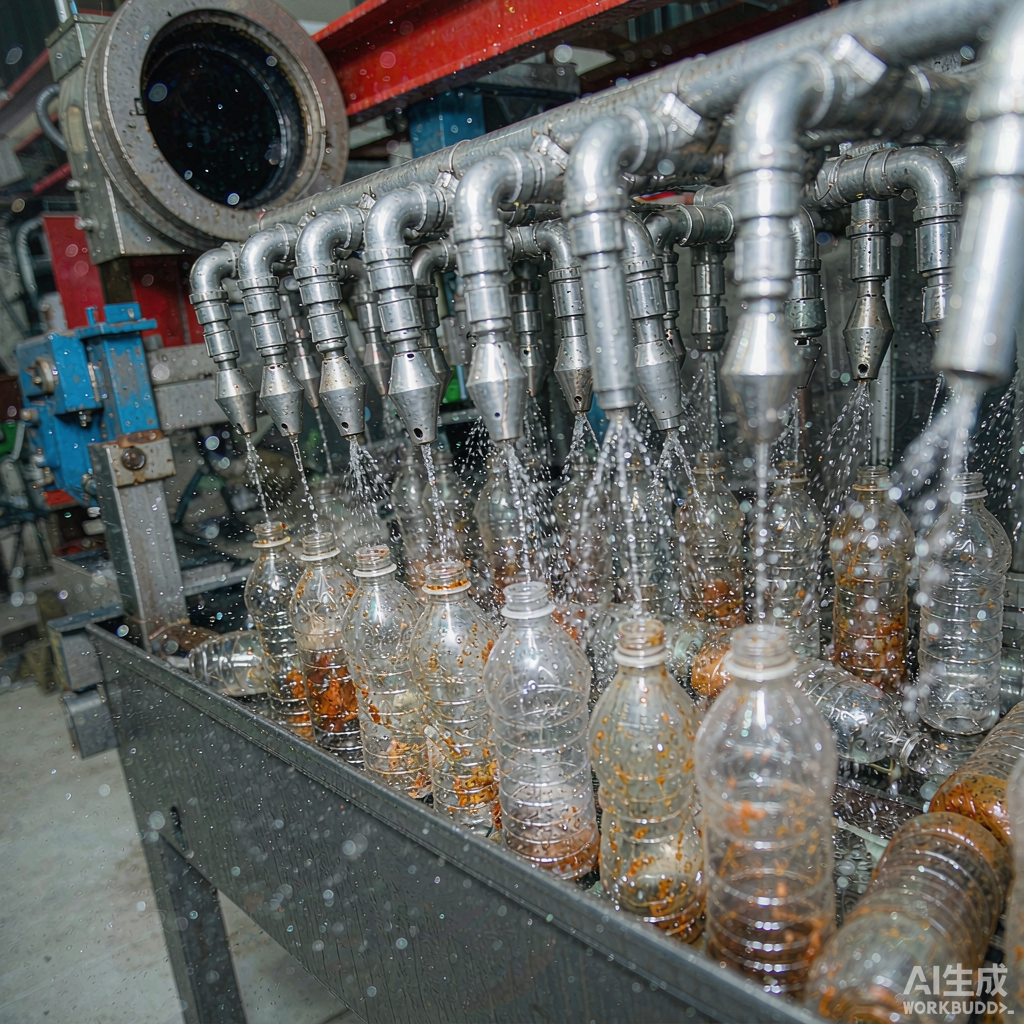
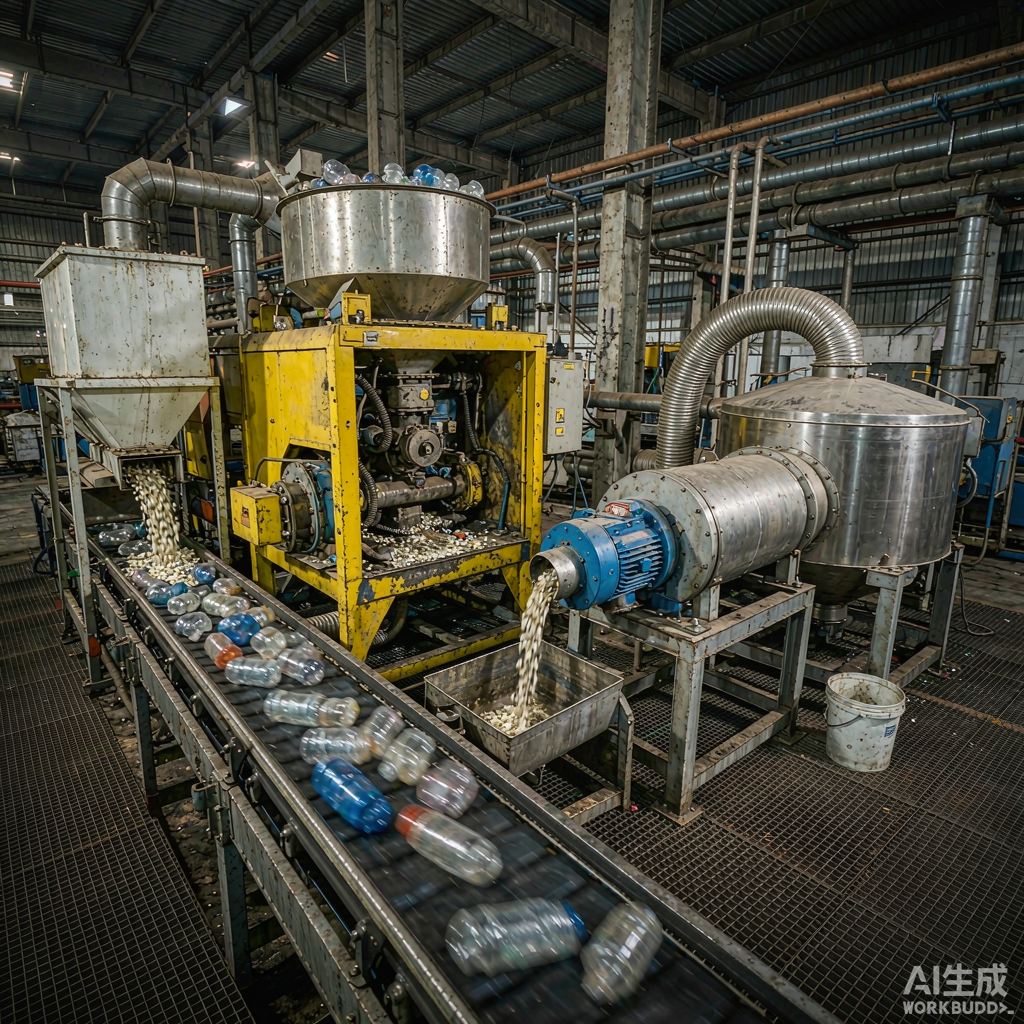
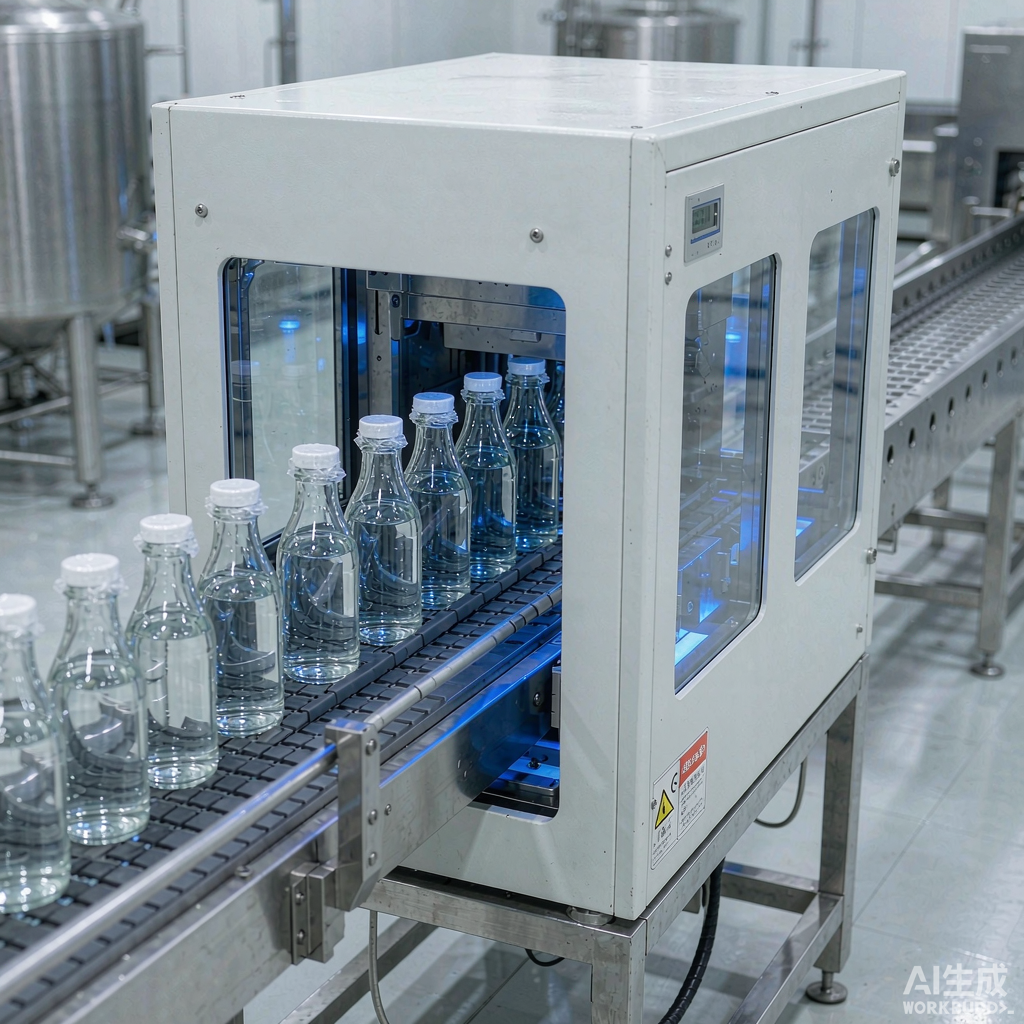
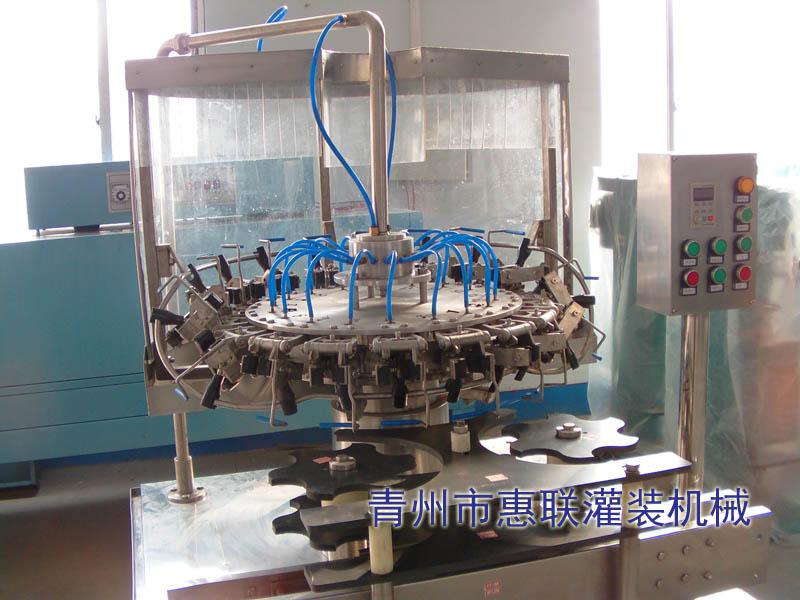
Glass bottle rinsing and sterilization equipment is evaluated as a bottle-preparation step in a filling line. The treatment method, container handling and hygiene target must be defined for the specific product and validated production process; the equipment listing alone does not establish sterile or aseptic performance.
When this equipment is considered
Buyers assess bottle format, incoming container condition, intended treatment outcome and how bottles transfer to the filler. Rinsing and sterilization are different process objectives, so the correct sequence and operating conditions require technical review.
Information for line integration
- Glass bottle drawings, dimensions, neck finish and sample containers
- Product and hygiene requirements, including the treatment objective
- Required line speed and the existing conveyor or filler interface
- Available utilities and installation layout
- Applicable process-validation and quality requirements for the facility
Share the bottle specification, process-flow diagram, site layout and treatment requirements. The equipment scope, operating conditions and integration points are confirmed by engineering review before quotation.
Buyer questions
What is bottle rinsing and sterilization equipment used for?
It supports a bottle-preparation step before filling. Its role and treatment method depend on the container, product and required hygiene process.
Does this equipment by itself guarantee aseptic filling?
No. Aseptic performance depends on the complete validated production process, including equipment, operating conditions and facility controls.
How is rinsing different from sterilization?
Rinsing is a bottle treatment or cleaning step; sterilization is a defined treatment objective. The appropriate method must be selected for the product and process.
Can the system connect to an existing filler?
Integration depends on bottle flow, conveyor height, line speed, controls, utilities and available space. Drawings and process sequence are needed to review compatibility.
What should I send for a quotation?
Provide bottle drawings or samples, hygiene target, process flow, expected line speed, utilities and layout.
Request a process review: Share your glass bottle and filling-line requirements to assess a rinsing and sterilization configuration.