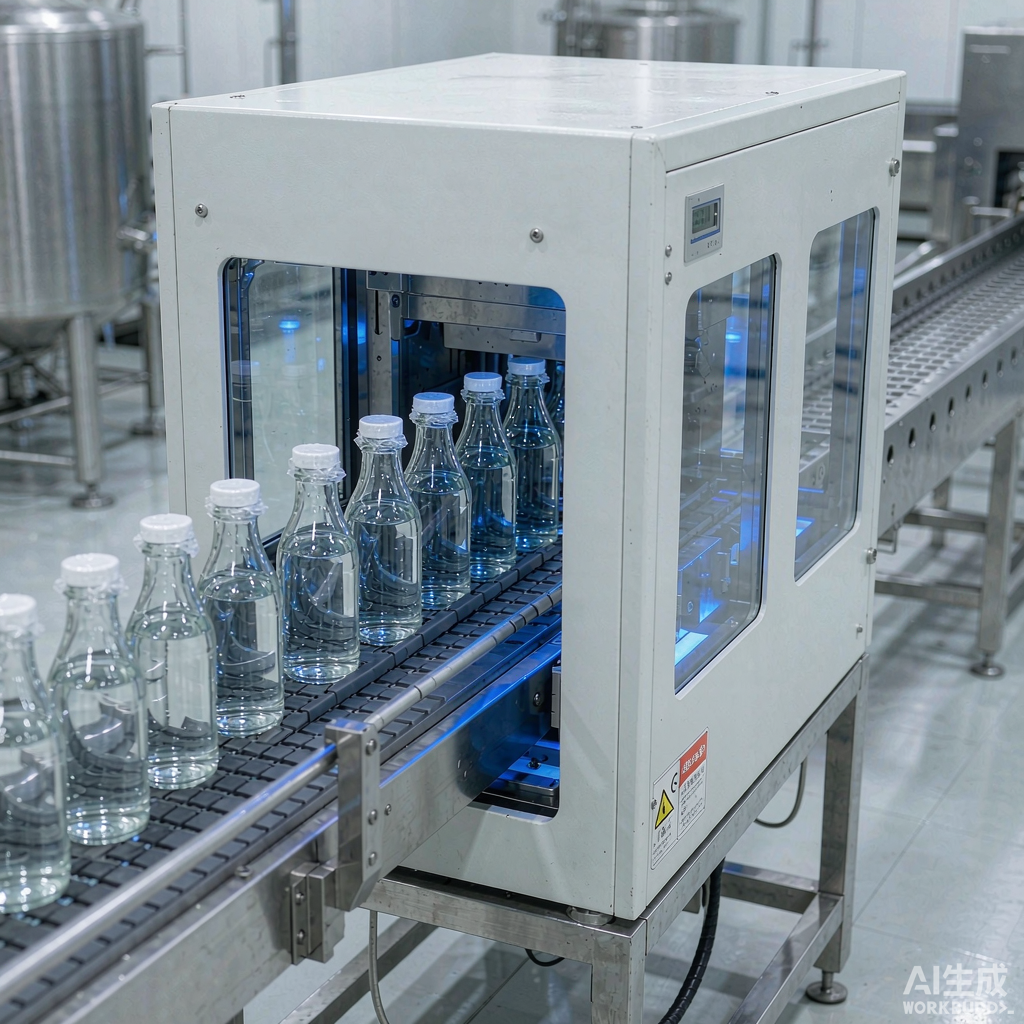
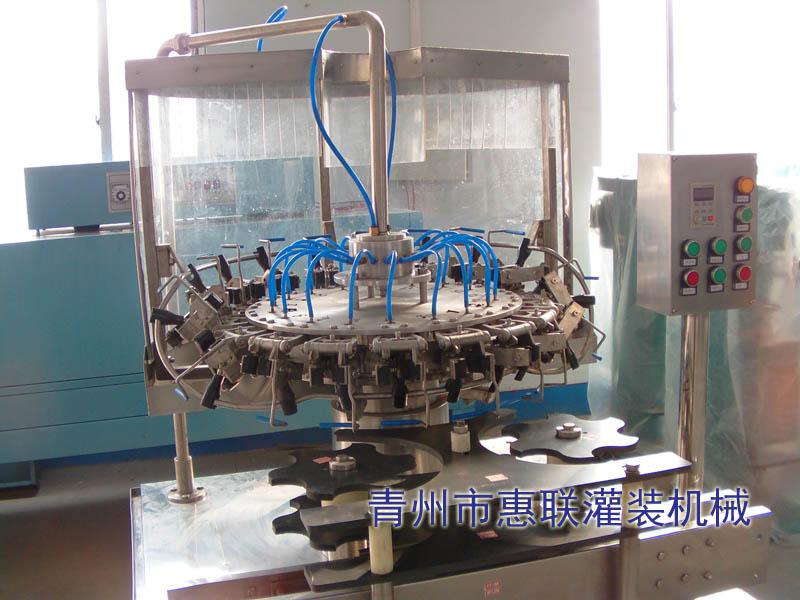
Glass bottle sterilization equipment is evaluated as a treatment stage within a bottling process. The method, bottle handling, intended hygiene outcome and required validation depend on the product and plant requirements; a standalone machine does not by itself establish a validated sterile or aseptic process.
Define the treatment objective first
Clarify whether the project calls for rinsing, sanitizing or a specified sterilization treatment. These are different process objectives. Container material, shape, dimensions and the downstream filling environment affect equipment selection and line sequence.
Engineering inputs for line integration
- Bottle drawings or samples, dimensions, shape and material
- Product type and defined treatment or hygiene objective
- Expected line speed and bottle loading or transfer method
- Filling-line sequence, connection points and control interfaces
- Utilities, available space and applicable validation requirements
Provide the bottle specification, process-flow drawing, treatment target, utilities and plant layout. Engineering review will confirm the equipment scope, operating conditions, interfaces and acceptance criteria before quotation. Temperature, cycle time and capacity are determined for the specific configuration.
Buyer questions
What does bottle sterilization equipment do?
It carries out a defined bottle-treatment step in a bottling process. The treatment method and intended outcome must be set for the product and validated production system.
Is sterilization the same as washing or rinsing?
No. Washing or rinsing addresses bottle cleaning; sterilization is a separate treatment objective with its own process requirements.
Can this equipment guarantee aseptic filling?
No. Aseptic performance depends on validation of the complete production process and plant controls, not the equipment listing alone.
How is bottle compatibility checked?
Review bottle material, dimensions, shape and handling requirements against the proposed equipment. Drawings or physical samples help confirm fit.
What details should I provide for a proposal?
Share bottle specifications, product and treatment objective, line sequence, expected speed, utilities and site layout.
Request a sterilization process review: Provide the container and bottling-line requirements to assess a suitable glass bottle treatment configuration.