
Every day we ship tens of thousands of glass liquor bottles to distilleries, trading companies and brand owners around the world. The most common question from first-time buyers is: “How do you make sure glass bottles survive a 30-day ocean journey?” The answer is a proven three-layer packing system – carton, pallet, container. This guide walks you through the entire process with real photos and videos from our factory.
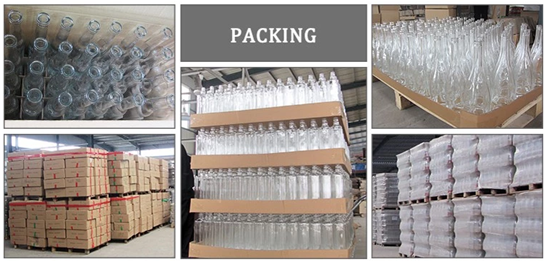
Step 1: Bottle Into Carton – Cardboard Dividers Do The Heavy Lifting
After quality inspection, bottles are hand-placed into cartons with custom-sized cardboard dividers (partition grids). Each bottle sits in its own cell, so bottles never touch each other. The divider size is calculated from the bottle’s maximum diameter, neck height and body height – this is why we always ask for a sample bottle or drawing before quoting packing.
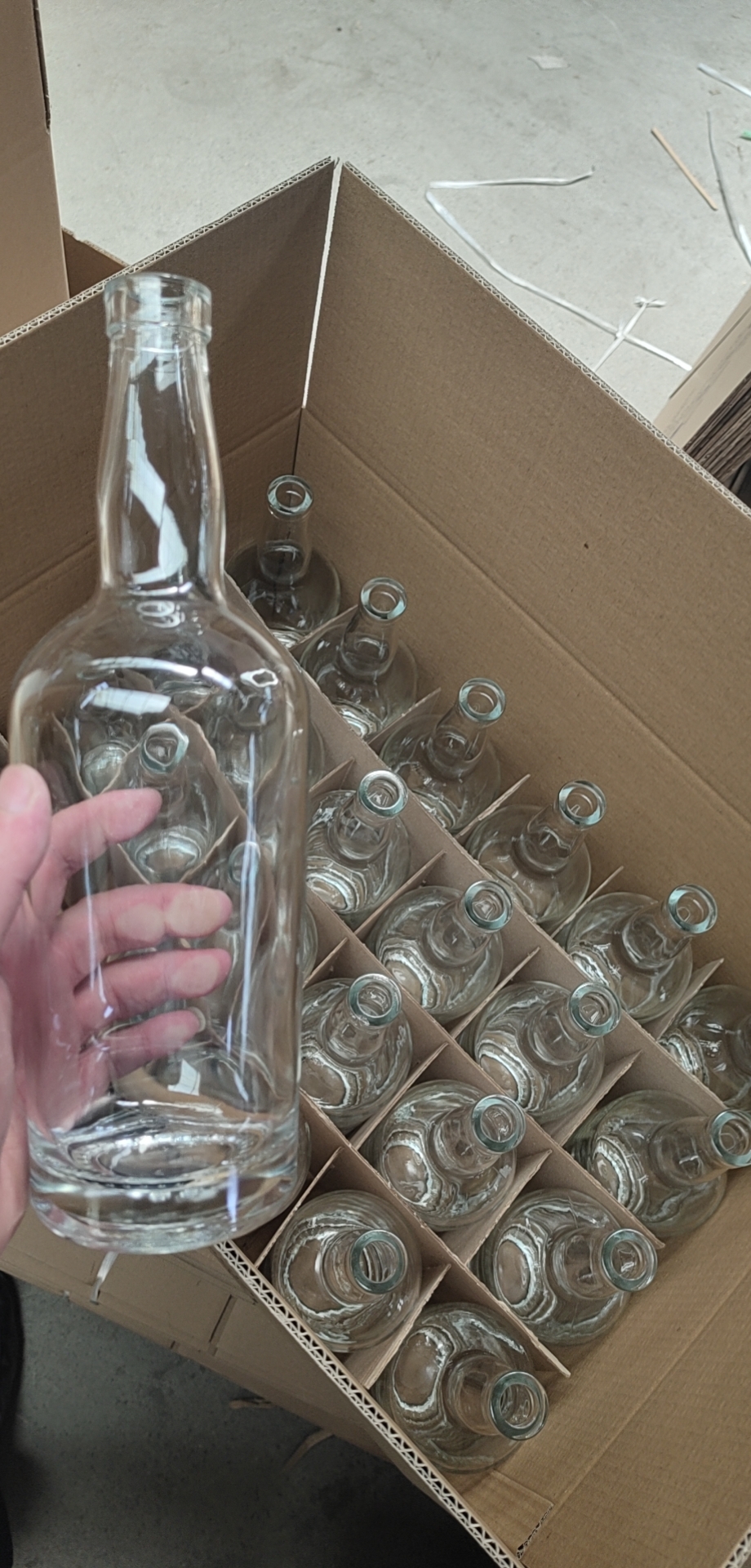
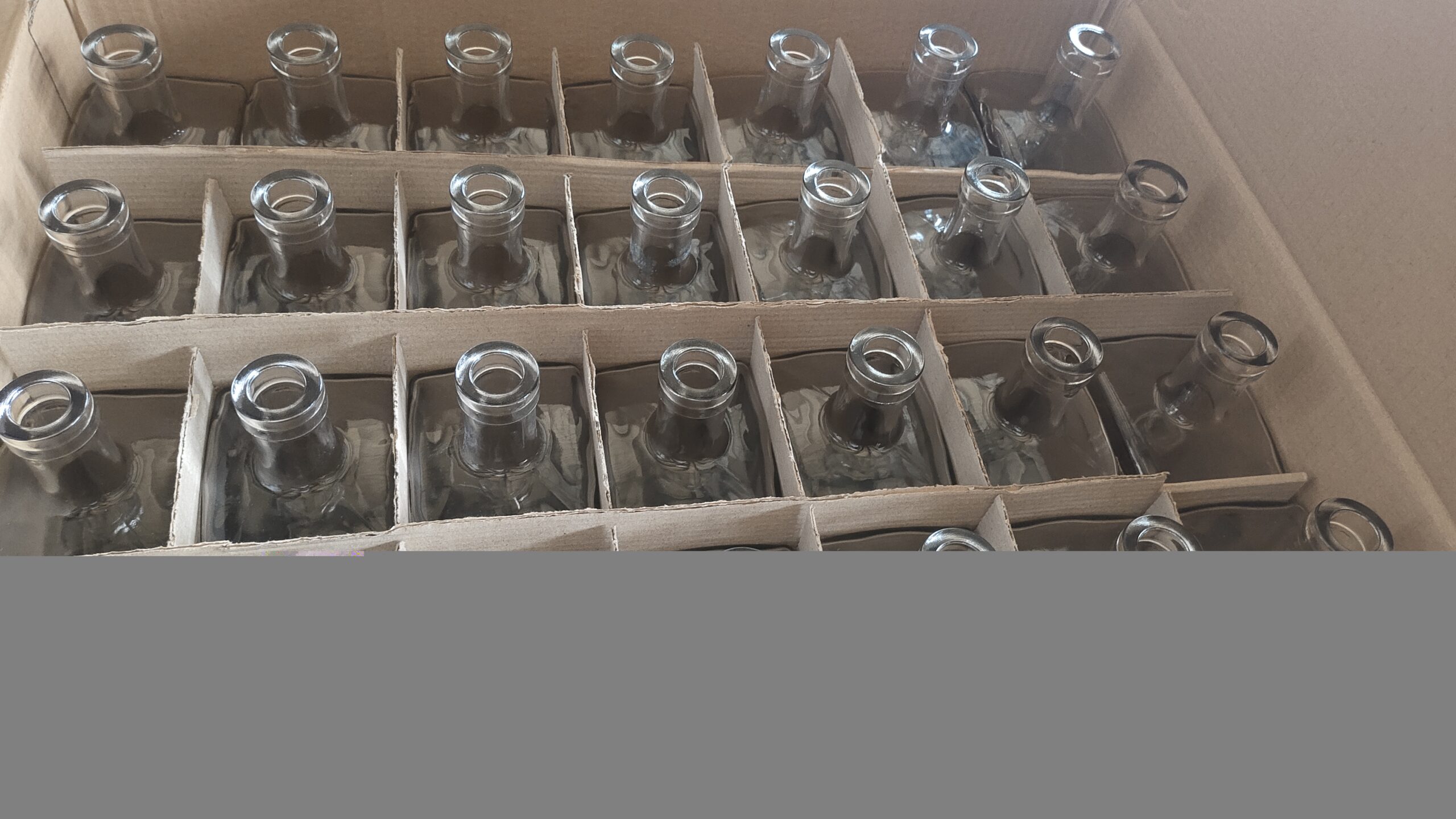
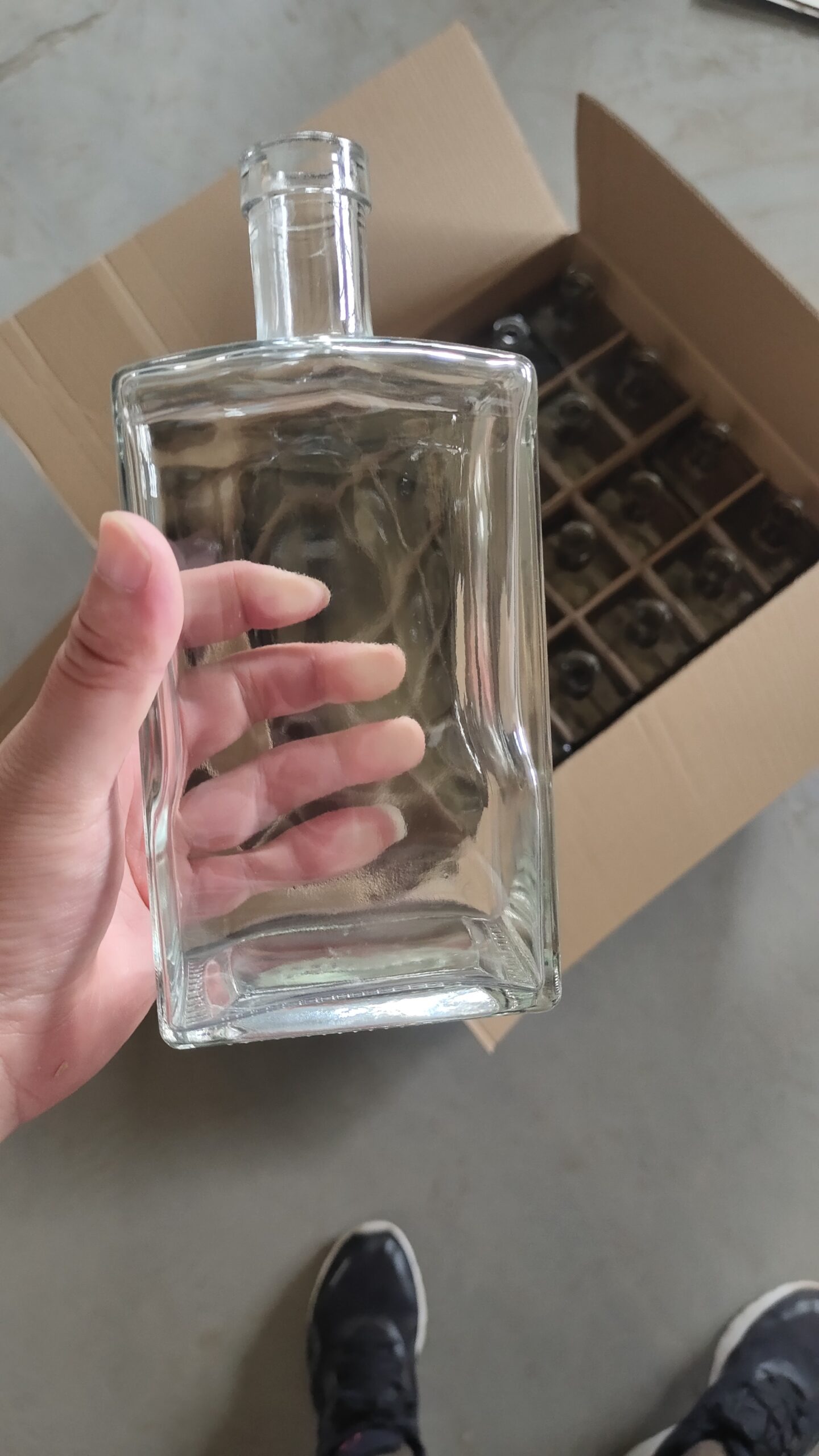
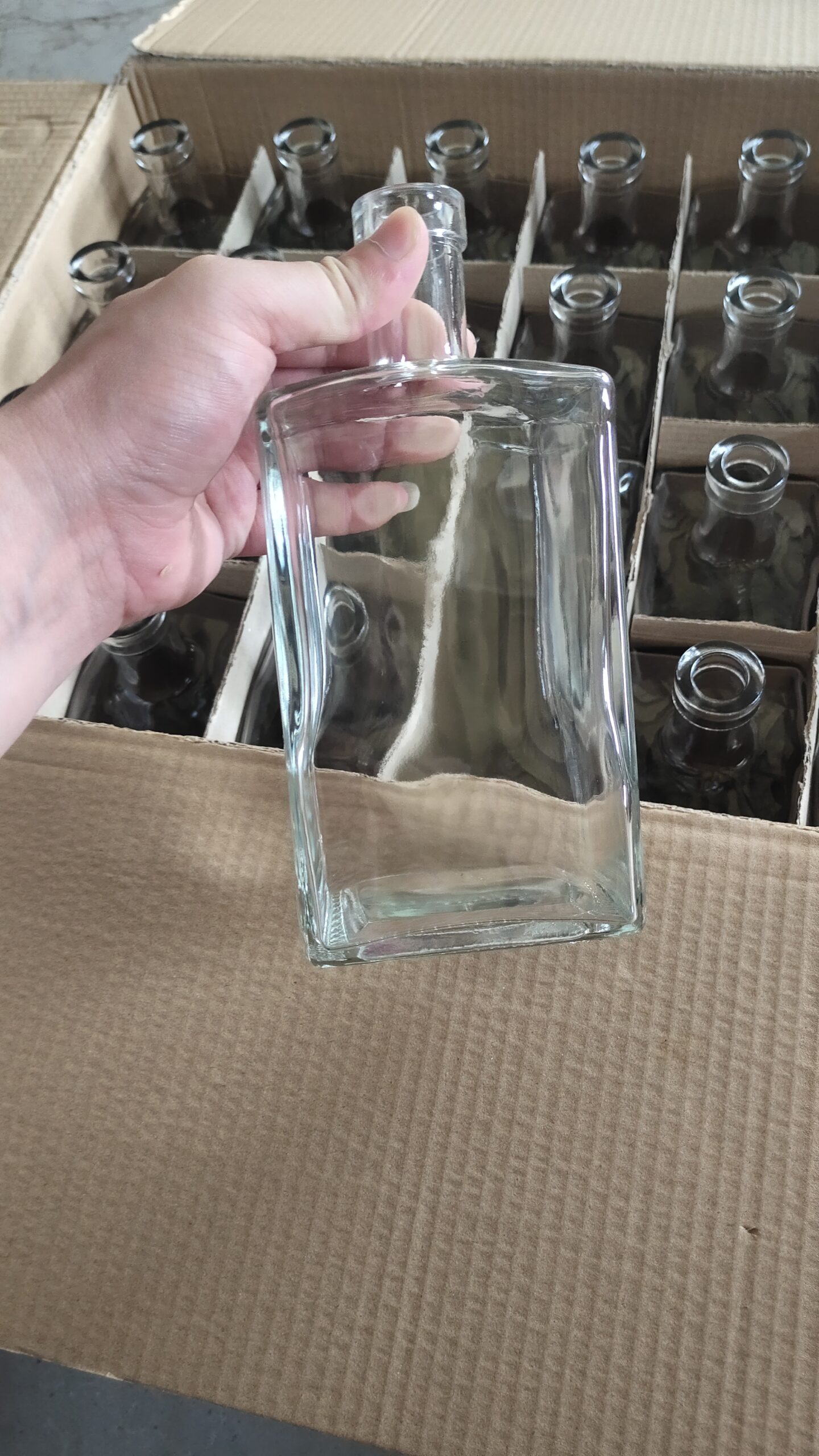
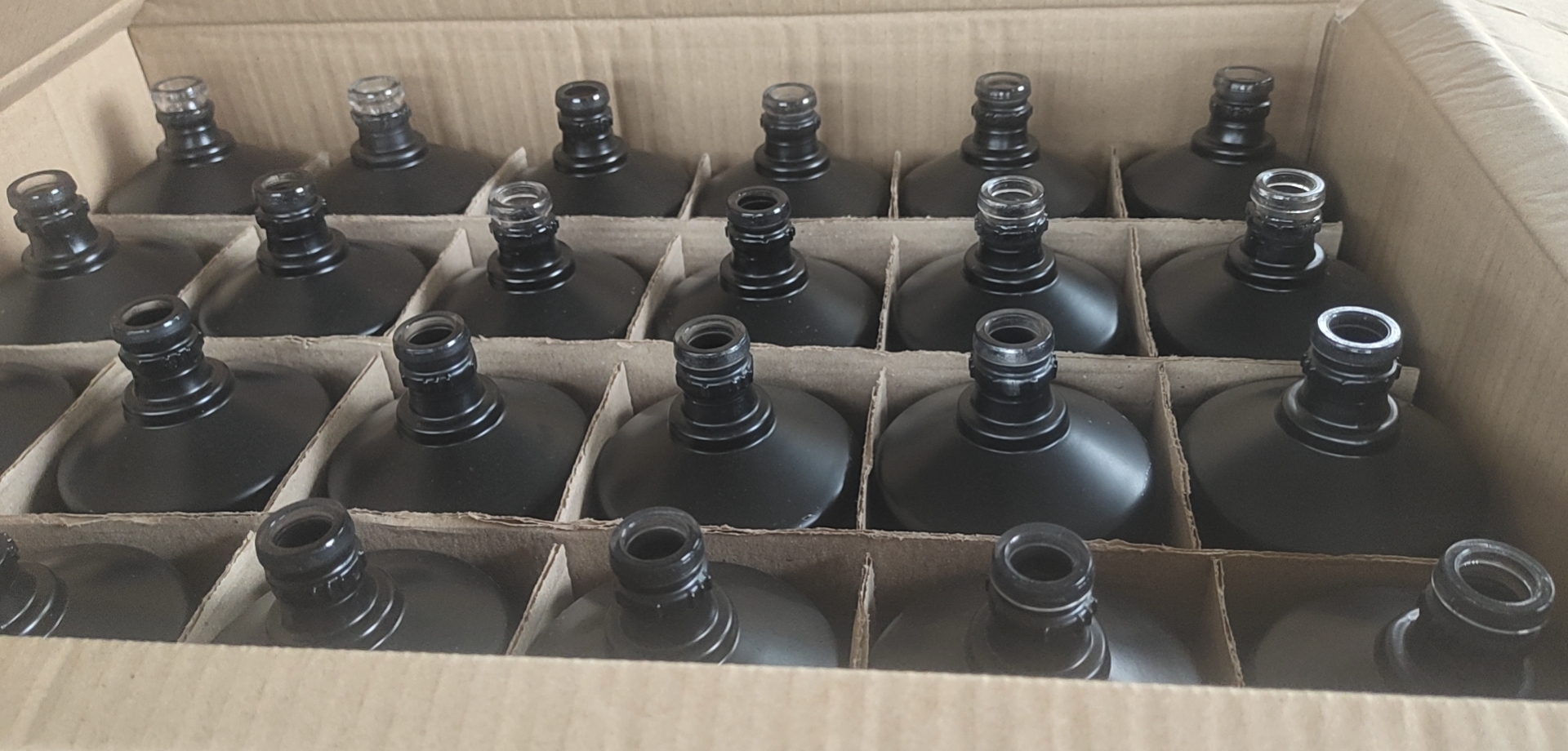
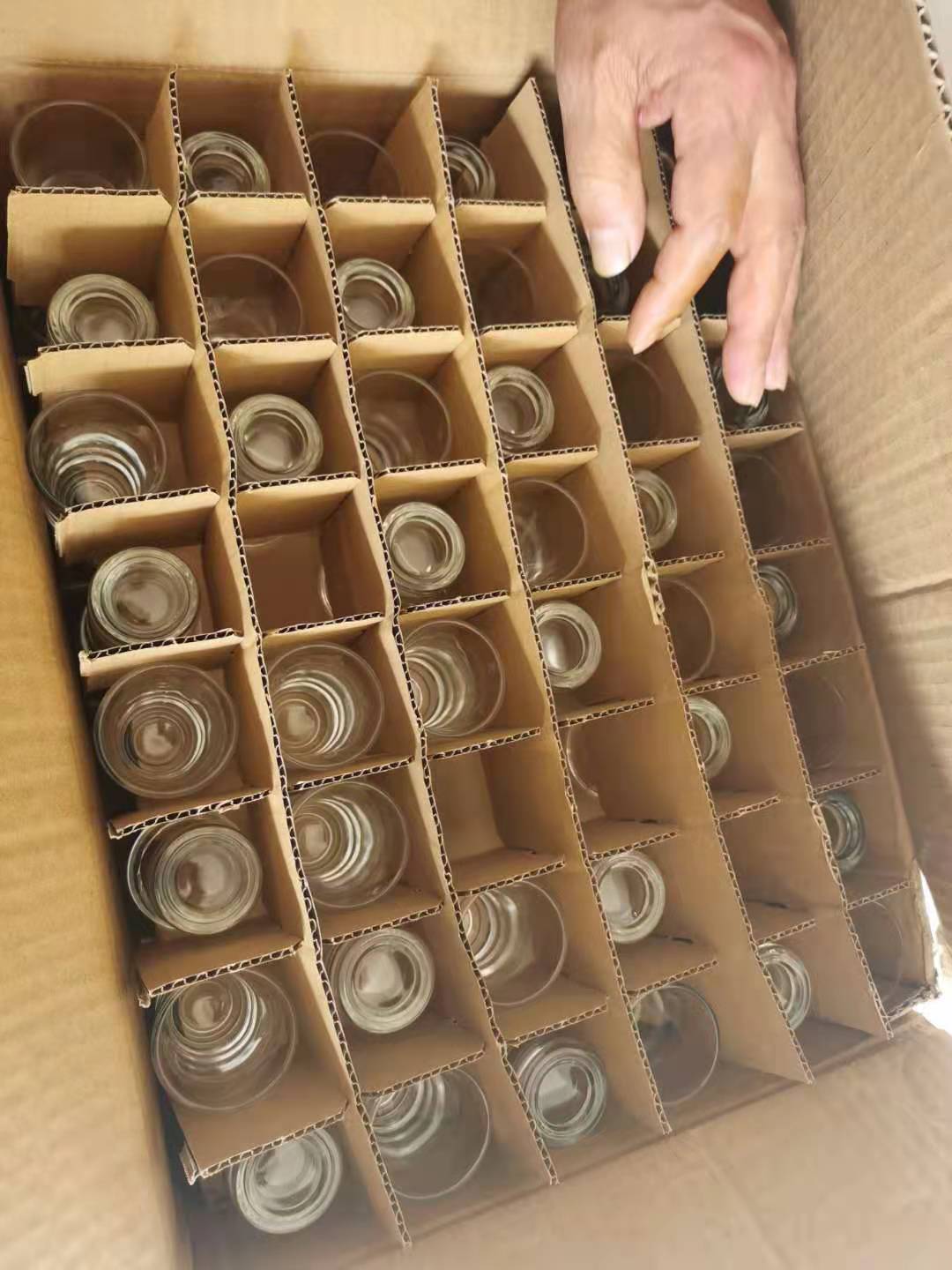
Step 2: Carton Packing Standards
We offer three standard packing options. Buyers can choose based on order size, bottle value and destination handling.
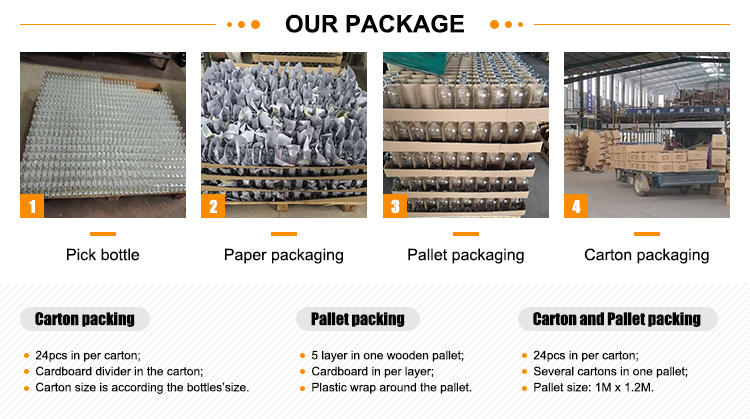
- Carton packing: 24 pcs per carton (quantity depends on bottle size), cardboard divider inside the carton, carton size made to match the bottle.
- Pallet packing: 5 layers of cartons on one wooden pallet, plastic wrap around the pallet.
- Carton + pallet packing: 26 pcs per carton, several cartons fixed on one pallet, standard pallet size 1.1 m × 1.1 m.
Every carton can be printed with your shipping marks, brand logo, bottle name and handling icons – free of charge on the outer carton.
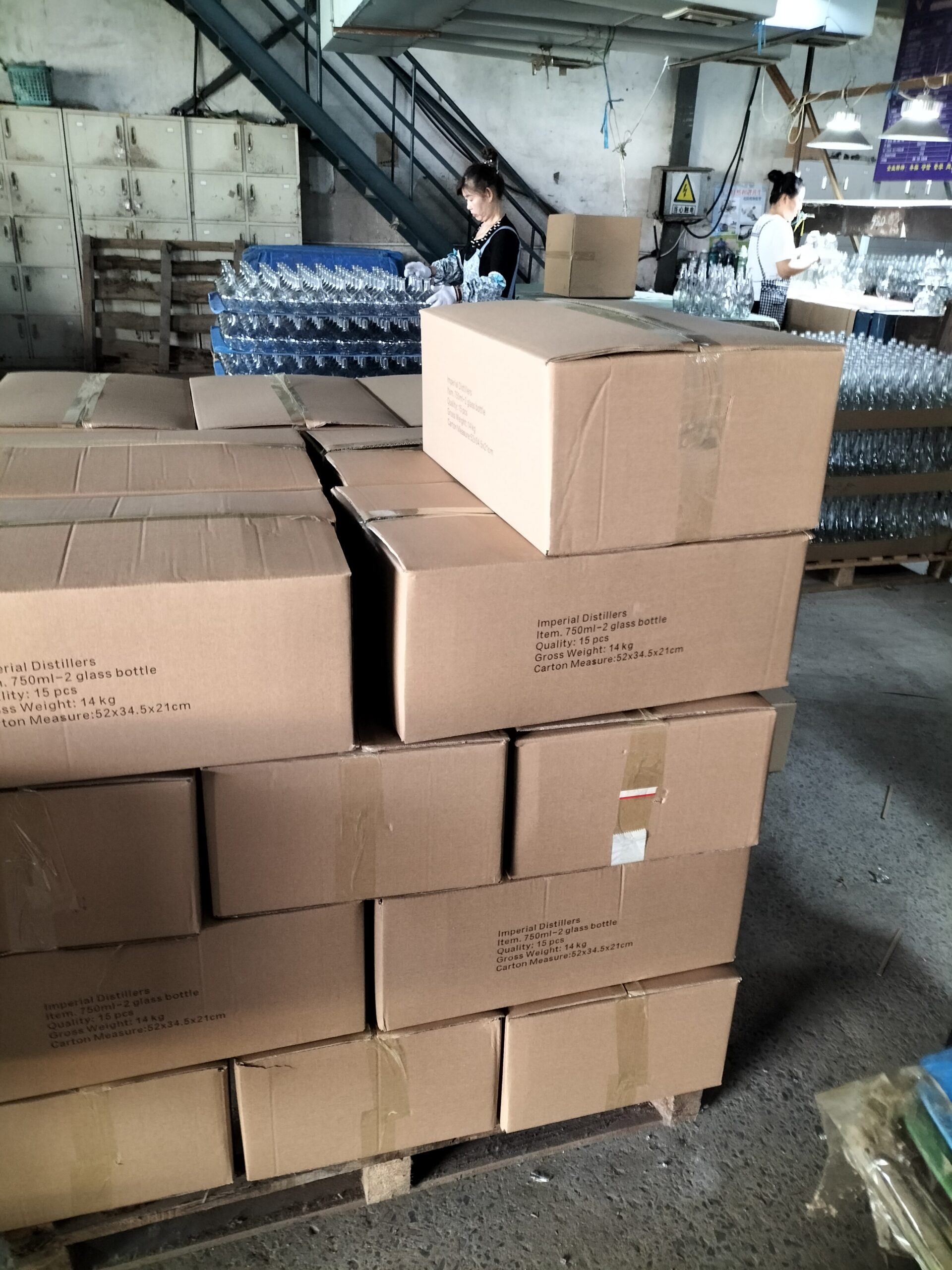
Step 3: Pallet Packing – Locked And Waterproofed
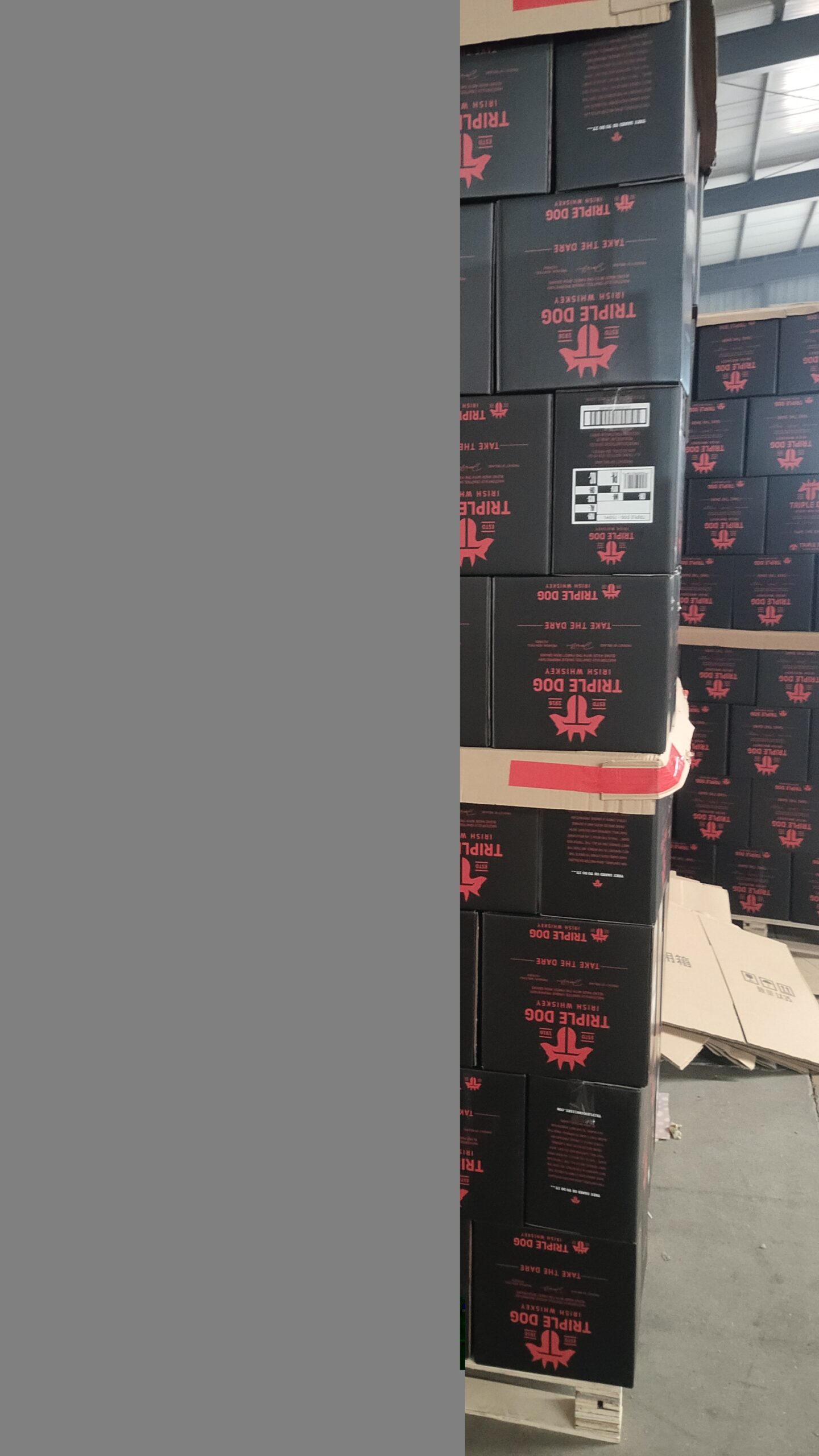
For full-pallet or full-container orders, cartons are stacked on ISPM-15 fumigation-free wooden pallets (1.1 m × 1.1 m) in stable cross-stacked layers, with kraft paper between layers to prevent slipping, then the whole pallet is wrapped in stretch film. This keeps every carton fixed even when the pallet is tilted by forklifts or ocean swell.
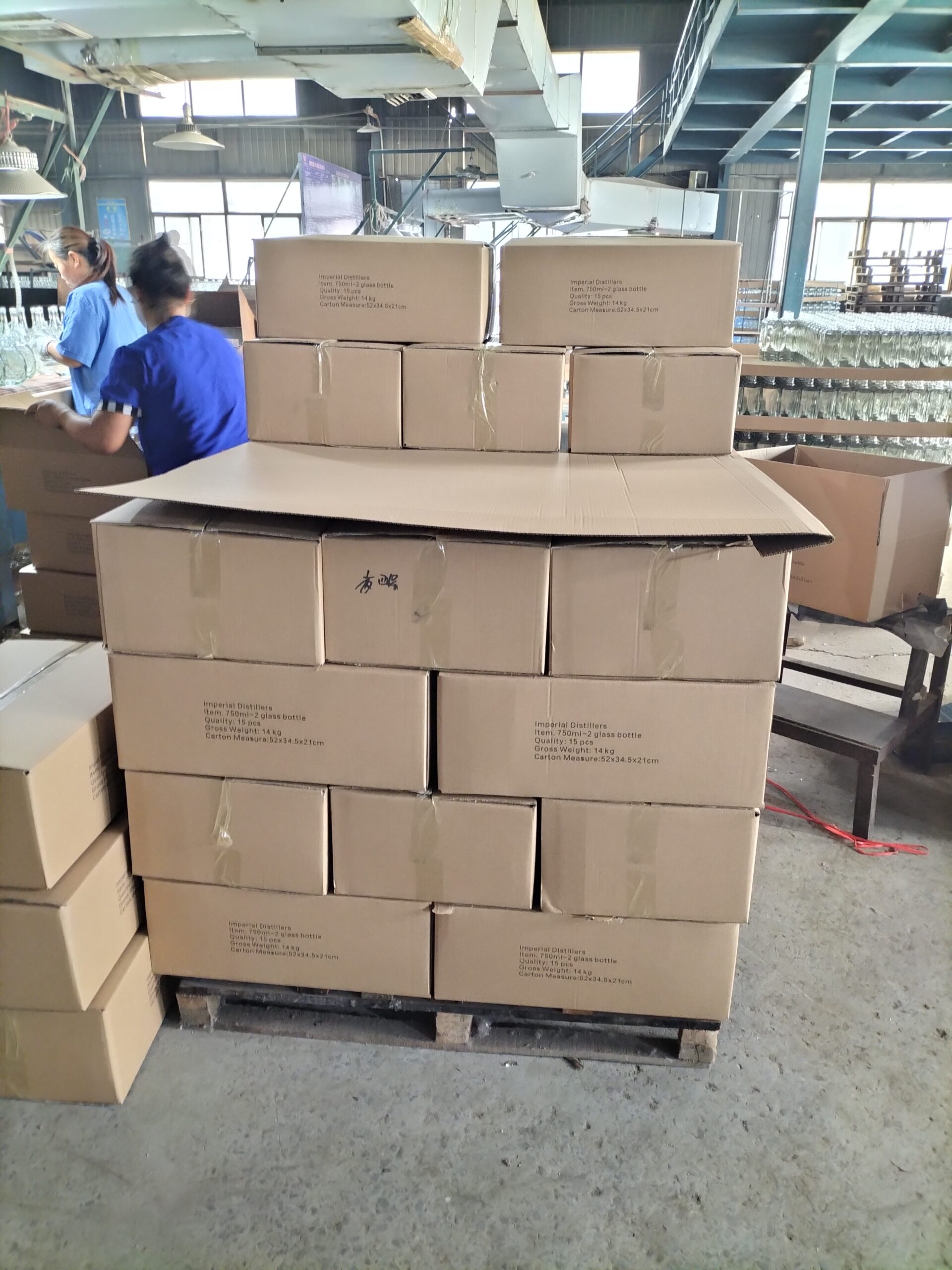
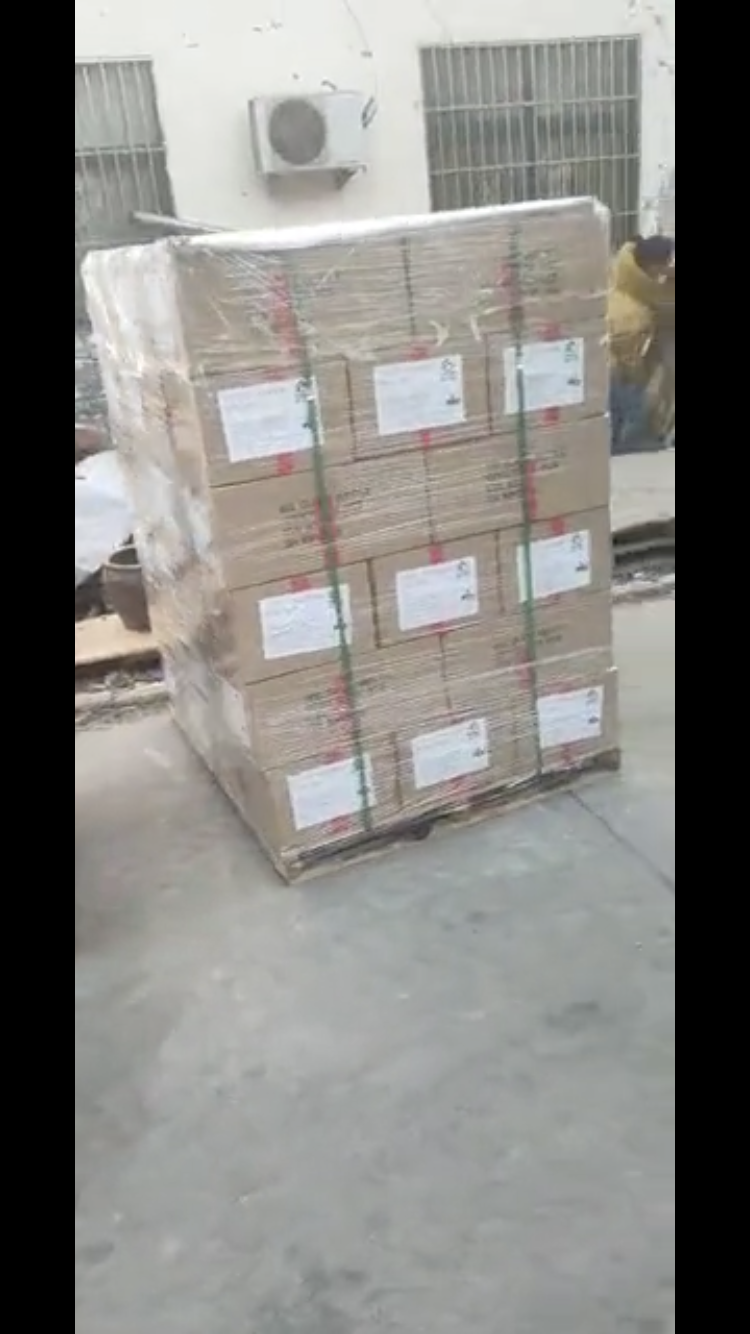
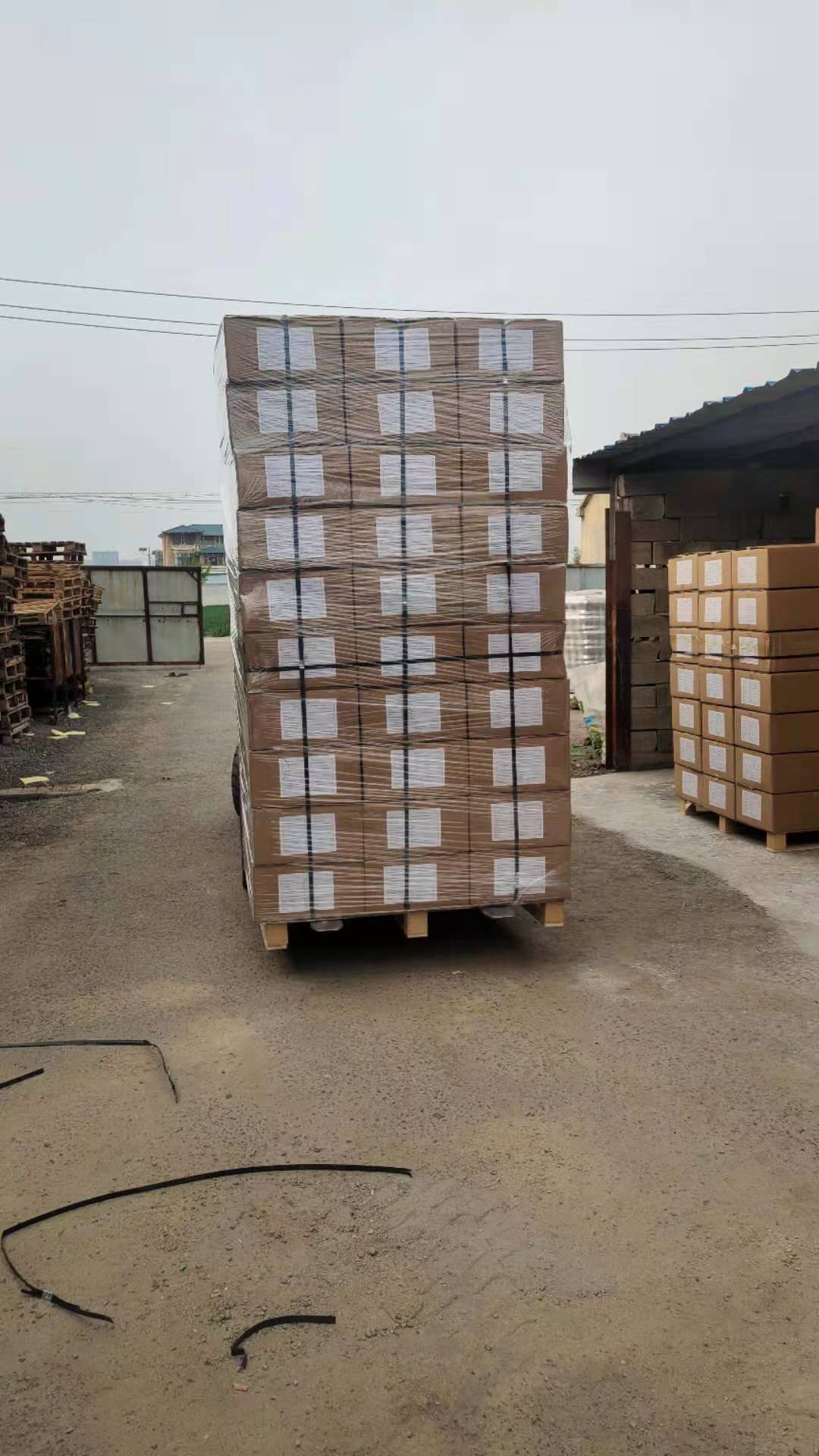
Step 4: Container Loading – Pallet By Pallet
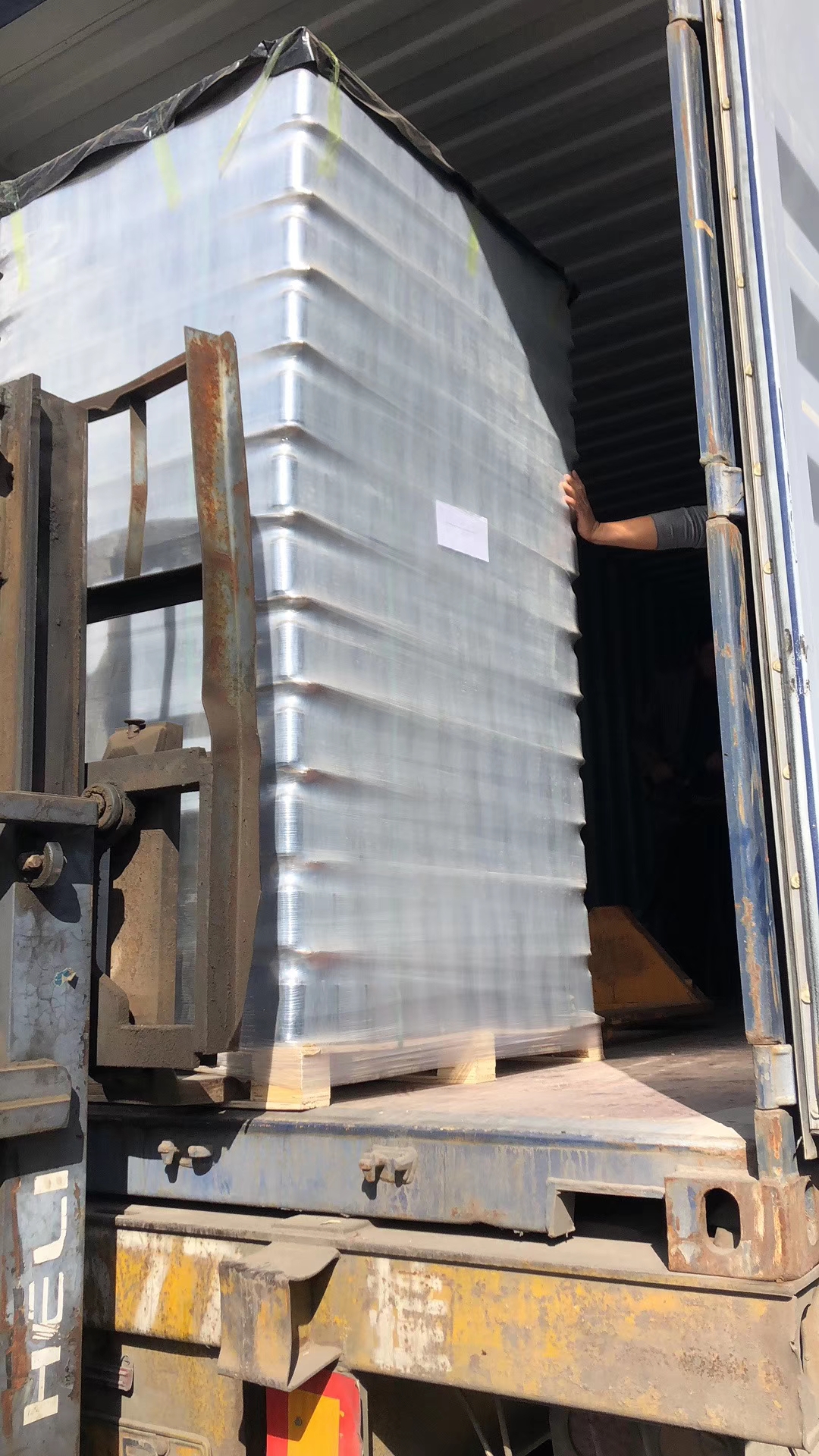
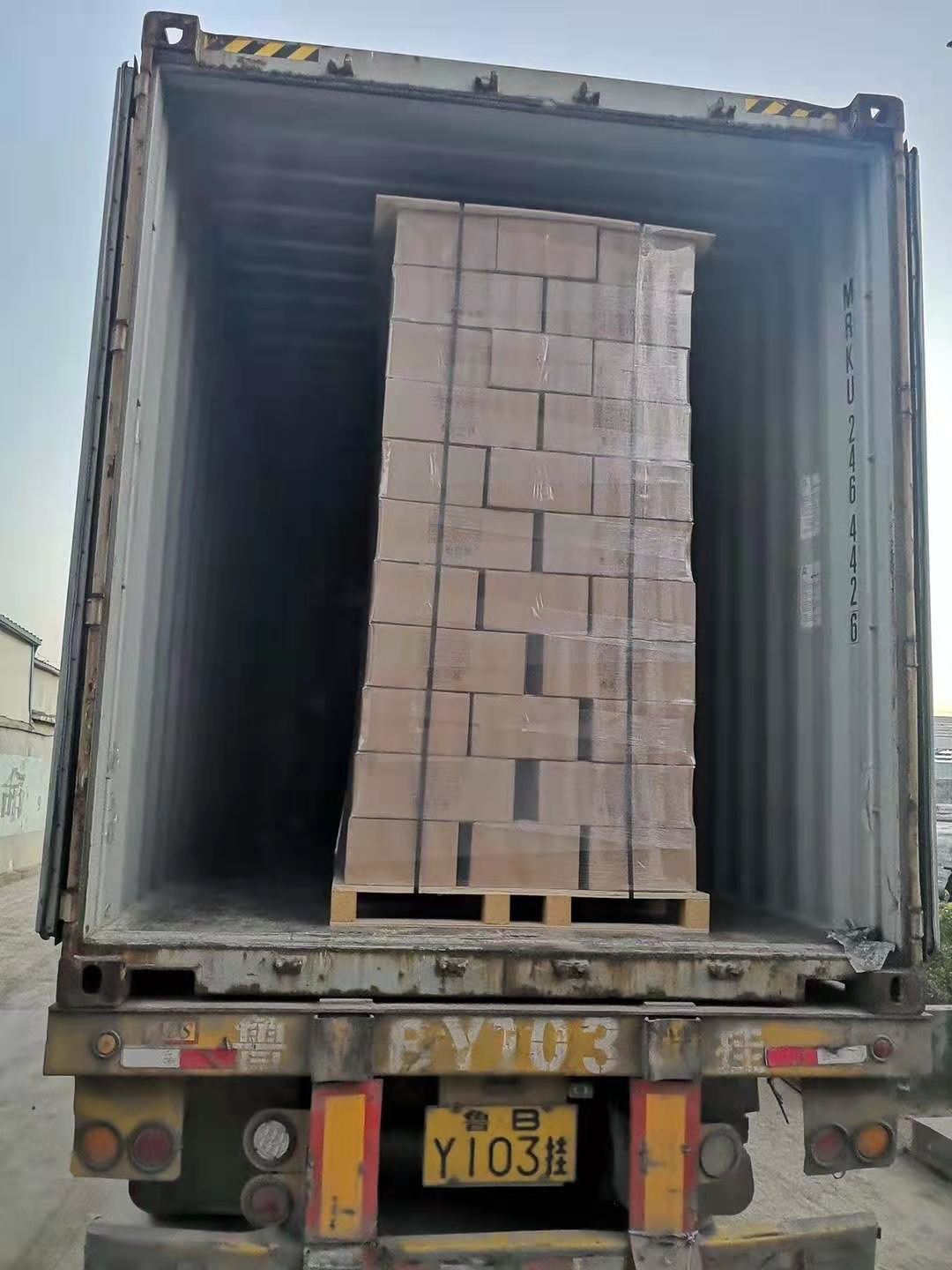
On loading day, wrapped pallets are moved by forklift directly into the container and locked row by row. Palletized loading means the whole container can be unloaded in about one hour at destination with a forklift – no re-packing, no extra handling, less breakage risk.
Special Care For Heavy Decanters, Stoppers and Glass Lids
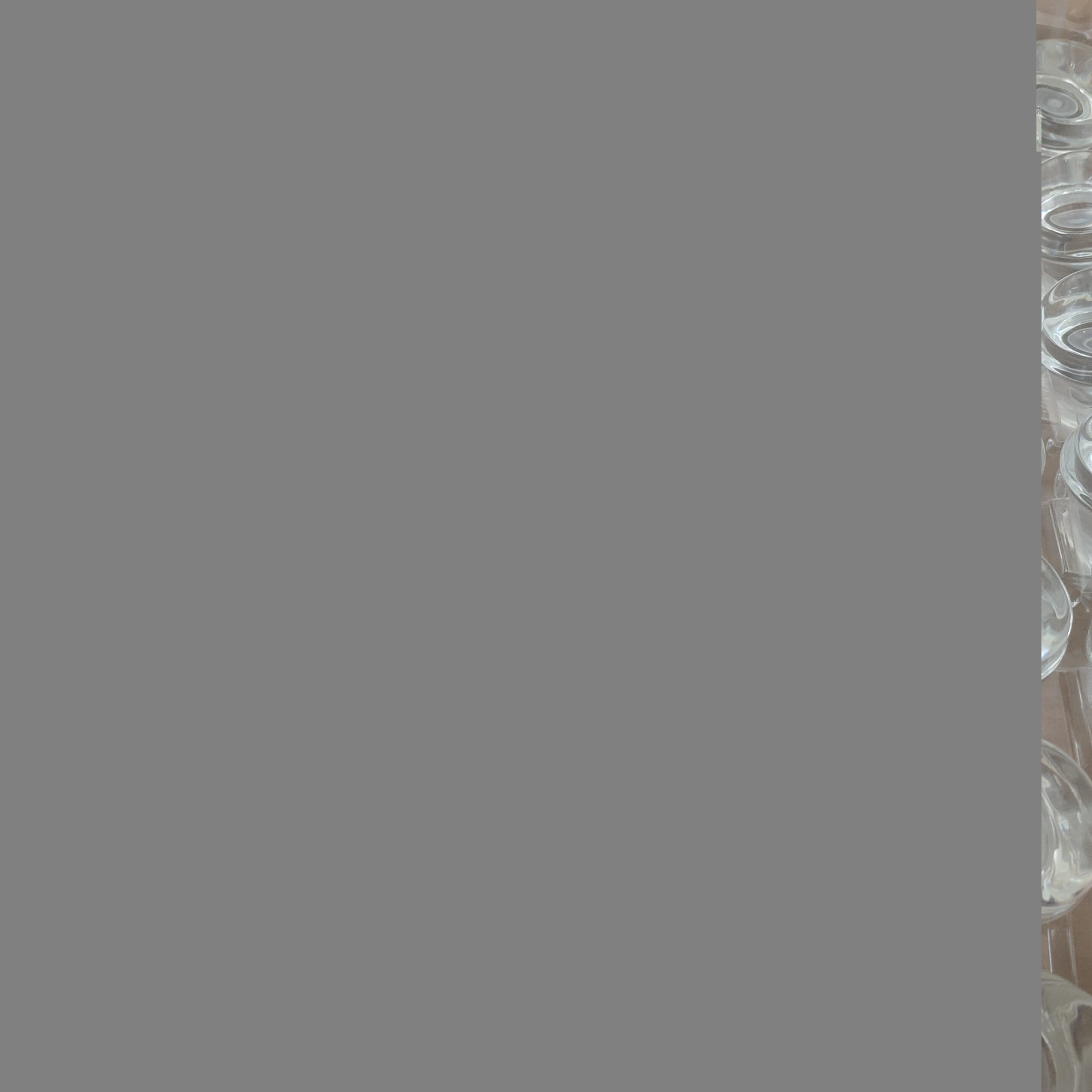
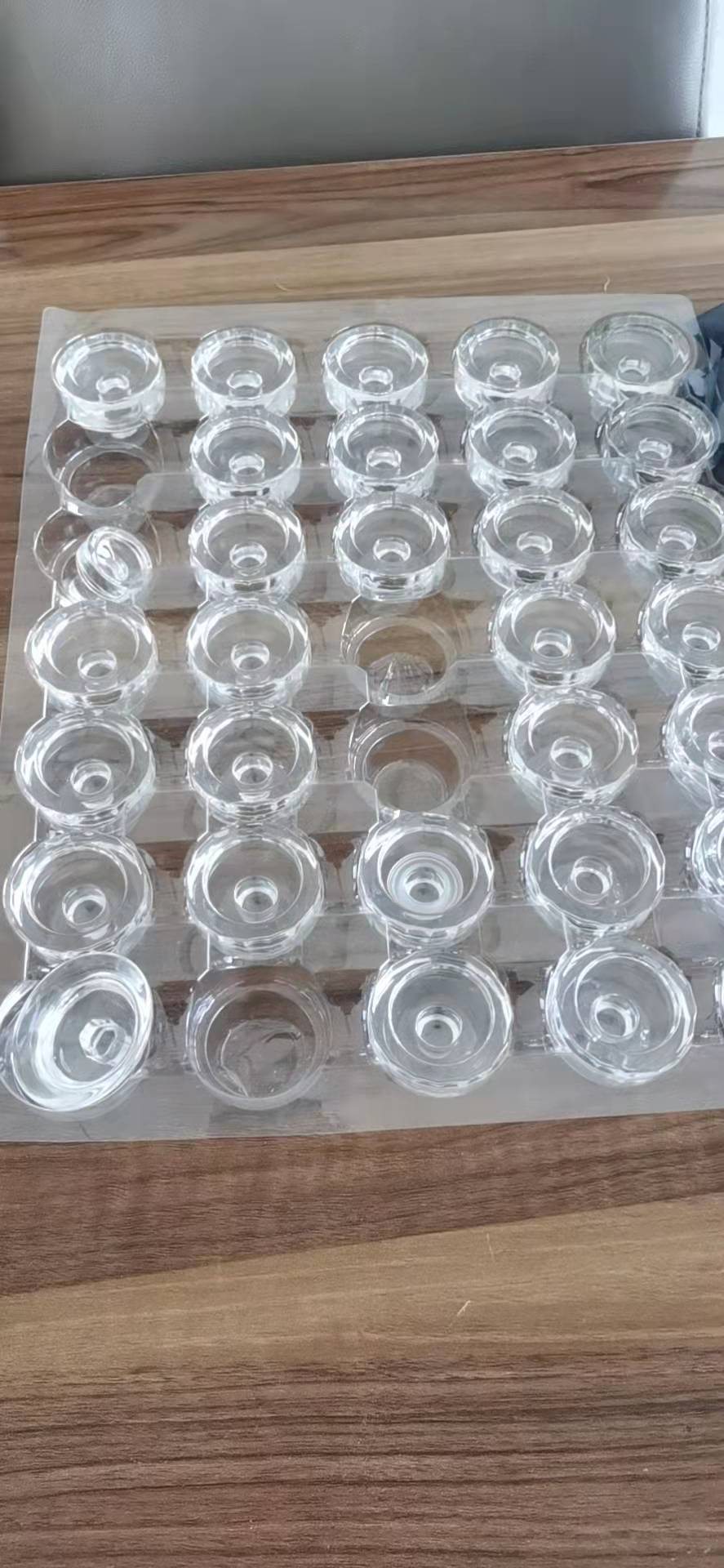
Heavy items need extra protection. Thick-wall decanters are individually cell-packed, and glass stoppers or lids are stacked in layers with paper or foam interleaving, or packed in plastic trays that hold each piece in place.
Quick Reference: Our Packing Options
| Packing option | Standard | Best for |
|---|---|---|
| Carton only | 24 pcs/carton, cardboard divider, carton size matched to bottle | LCL shipments, samples, mixed orders |
| Pallet | 5 layers per wooden pallet, stretch-wrapped | Full container orders, FIFO warehouses |
| Carton + pallet | 26 pcs/carton, several cartons per 1.1 × 1.1 m pallet | Heavy bottles, decanters, long sea routes |
The exact bottles-per-container number depends on bottle shape, carton size and pallet height. Send us your bottle drawing and we will calculate the optimal loading plan – most 700 ml spirit bottle orders fit between 8,000 and 15,000 bottles in a 20 GP container and 20,000 to 30,000 in a 40 HQ.
Need A Packing Solution For Your Bottles?
Ruisheng manufactures custom glass liquor bottles and supplies matched corks, caps and capsules. Send us your bottle size and destination port – our team will reply with a free packing plan, loading calculation and quotation within 24 hours.
