Choose the bottle and closure as a matched system, not as two similar-looking parts. Start with the intended beverage, neck-finish drawing and closure specification, then agree sample checks with the suppliers and filler. Appearance alone cannot establish sealing performance.
Why are broken corks useful research for packaging buyers?
They reveal a customer problem worth investigating, not a tested explanation of its cause. A Reddit discussion about an older bottle with a damaged cork attracted a search-index score of 525 when retrieved for this research. Its visible live text did not expose a current score.
The r/whiskey discussion concerns an individual bottle and an uncertain handling history. It cannot establish a defect rate or prove that a particular material is always better. For buyers of spirits bottle closures, the useful next step is to ask how the complete package will be specified, applied and evaluated.
This guide does not recommend the improvised extraction methods found in comments. In particular, do not turn a packaging discussion into instructions to pressurise or cut a glass bottle.
Which neck dimensions should you request?
Request the actual neck-finish drawing and tolerances for the selected model. A stated bottle capacity and a cap's decorative top diameter do not identify a compatible sealing system.
For threaded packages, Berlin Packaging's neck-finish guide distinguishes the internal opening, external thread, neck height and thread-position dimensions. For bar-top packages, Cetie's spirits closure references address the glass finish, stopper and overcap together. These references support checking the interfaces; they do not certify a catalogue bottle.
Ask for a drawing revision and the proposed closure's part reference. Record whether the supplier is describing a threaded closure, an applied metal cap or a stopper inserted into a plain bore. Do not interpret every number printed in a cap listing as the bottle's internal diameter.
In a separate r/bourbon discussion about opening and cork diameters, commenters describe replacement stoppers that did not fit every bottle. Those individual experiences motivate a compatibility question; they do not establish a standard dimension or an approved replacement for a specific product.
Can RS Glass & Jingbo Glass adjust the neck and stopper match?
Yes; matching and possible adjustments are evaluated against the bottle and stopper technical drawings. The business confirms that the match can be adjusted, subject to the selected design and project requirements. Do not assume an existing stopper fits every bottle or that a design change is automatically included in the price.
Provide both component references, drawing revisions and intended beverage. Ask which component would change, whether tooling or production requirements are affected, and what needs to be confirmed in the quotation. Approve a matched sample and the applicable checks before production; the ability to adjust a design is not a completed compatibility test.
How should you compare spirits bottle closures?
Compare the specification and application requirements before comparing the decorative finish. Use the table as an enquiry checklist, not a ranking of materials.
| Closure system | Information to establish | Question for the supplier or filler |
|---|---|---|
| Bar-top stopper | Bottle bore profile, stopper body specification and overcap proposal | Which matched components and application conditions are approved? |
| Threaded cap | Thread and sealing interface, liner or sealing feature, application requirements | Which bottle finish and cap specification form the proposed package? |
| Applied metal closure | Bottle finish, closure specification and application equipment | What equipment settings and checks are required for this exact combination? |
For spirits bottle closures, "natural cork versus synthetic" is an incomplete purchasing brief. Identify the intended beverage, filling conditions, handling requirements and the actual component specifications. Ask the closure supplier for documented suitability for that application instead of inferring suitability from a material name.
What should be checked with physical samples?
Evaluate the complete filled and closed package using an agreed, application-specific plan. Request acceptance criteria before the test, and keep the sample identity and drawing revision with the result.
An editorial sample-review record can include:
- Bottle model, drawing revision and closure part reference.
- Intended beverage and fill specification supplied to the reviewer.
- Application equipment or manual application conditions.
- Observations on insertion, removal and reclosing, with agreed measurement methods where needed.
- Leakage or movement observations under the agreed handling and storage conditions.
- Decision, unresolved issues, reviewer and date.
This list is not a laboratory protocol and supplies no universal temperature, pull-force or storage-duration limit. Ask the qualified supplier or test laboratory to select the applicable procedure and acceptance levels.
Does a capsule solve a poor closure fit?
Do not use a capsule as a substitute for approving the underlying sealing system. Cetie's bar-top discussion describes an overcap's role alongside the stopper and glass finish, including its possible contribution to mechanical retention. That is different from demonstrating that an unsuitable stopper seals correctly.
Its scope is non-carbonated products. A closure described for a still spirit should not be assumed suitable for a carbonated drink. Have the relevant package specialists confirm that separate application.
What belongs in a closure enquiry?
Send the drawing and a complete application brief when enquiring about spirits bottle closures. Include the bottle model, intended beverage, proposed fill level, closure appearance, first and repeat quantities, application equipment and destination conditions.
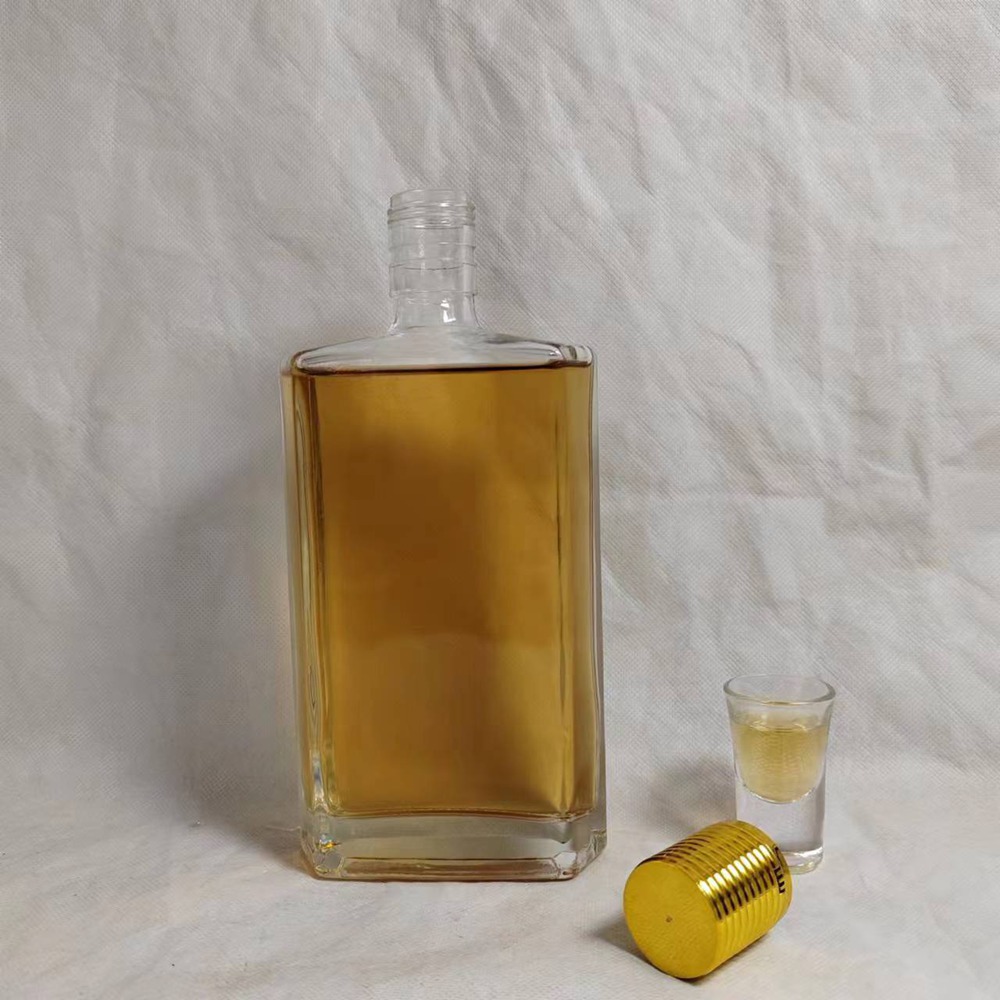
Ask RS Glass & Jingbo Glass to coordinate the bottle reference with the proposed cap or stopper. A catalogue photograph is not a promise that the illustrated closure is included or interchangeable with another model.
Frequently asked questions
Can I buy a stopper using only its top diameter?
No. The decorative top is not a complete specification for the sealing interface. Request the bottle and stopper drawings and confirm the matched sample.
Does a high-vote thread prove which stopper is best?
No. Reddit scores indicate engagement with a discussion. They are not controlled compatibility tests or evidence of a supplier's product performance.
Can you adjust the bottle neck or stopper for my project?
RS Glass & Jingbo Glass can evaluate adjustments using the actual bottle and stopper drawings, dimensions and tolerances. The feasible change, any cost or tooling implications, and matched-sample approval need to be confirmed for the project. This is not a promise that any two components are interchangeable.
Should I order bottles and spirits bottle closures separately?
They may be quoted separately, but the purchasing decision should approve a matched package. Identify who is responsible for confirming the interfaces and application conditions.
Request model-specific drawings
These are catalogue references, not a statement that their necks or closures are interchangeable. Research note: the linked Reddit post supplied a customer question; technical discussion was checked against the linked supplier and Cetie materials. This article is not a reported transit or closure test. Sources were reviewed on 22 October 2026.
Related Buying Guides
500ml, 700ml or 750ml Spirits Bottles: How to Choose · Glass Bottle Sample Approval Before a Bulk Order
Discuss Your Bottle Project
Send RS Glass your bottle reference, capacity, quantity, closure, decoration requirements and destination. Request a project quotation or view the company and factory introduction.
