
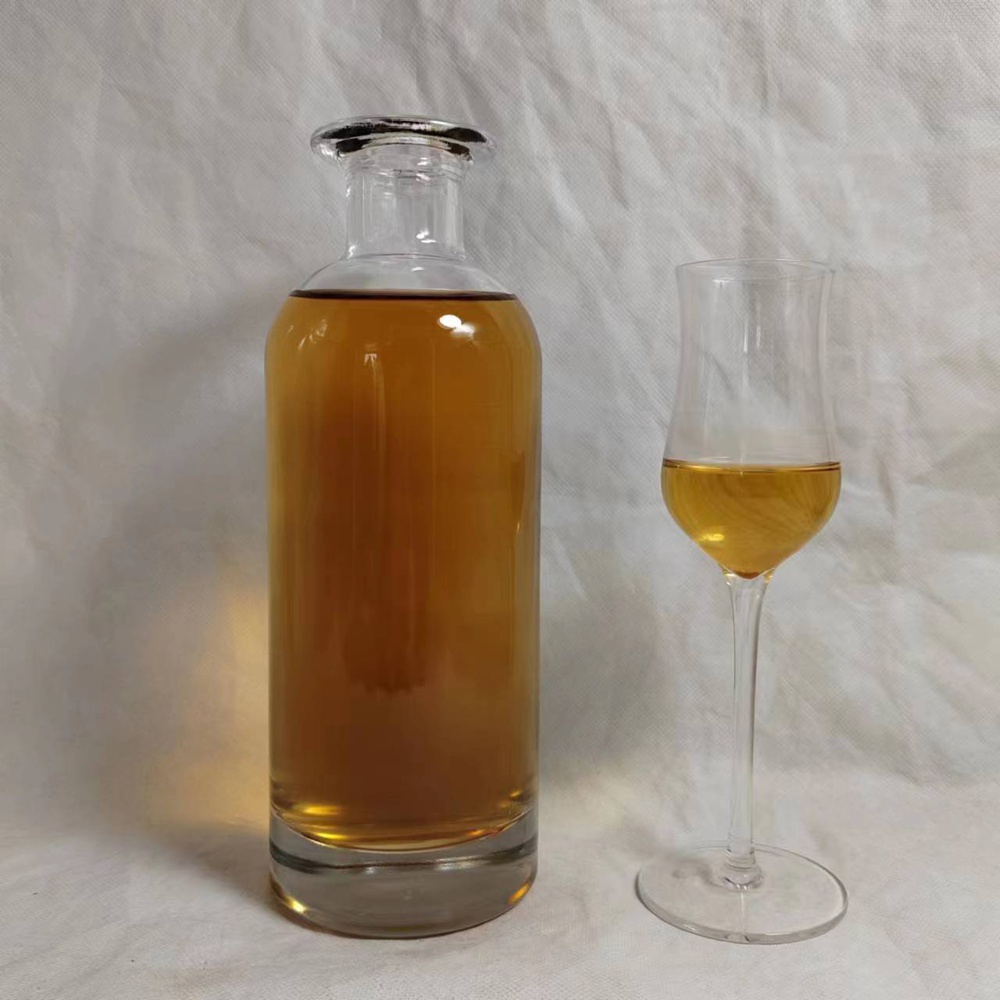
Treat labels such as flint, high flint and super flint as the beginning of a material discussion. For a purchasing decision, ask the supplier to define the proposed glass and provide a representative sample. Compare the actual bottle under consistent lighting, with the intended liquid and decoration. A material name alone does not approve the finished appearance.
Define What Clarity Means for Your Brand
Explain whether your brand wants to display the liquid clearly, emphasize a substantial base or create a particular contrast with the label. Compare candidate bottles in the same lighting conditions. Different lighting, background colors and camera processing can make online photographs difficult to judge.
Ask for a material sample associated with the actual design and production proposal. If the reference bottle was made from a different glass specification, record that distinction. Your approved appearance reference should describe what has been accepted, rather than relying on a photograph that the supplier cannot reproduce.
Check the Bottle as a Finished Package
Evaluate the bottle both empty and filled. The base, shoulder and body can present the liquid differently because of their geometry. Review the front label, back label and closure at the same time; the combination may matter more to the brand than a comparison of empty glass alone.
If the design will be frosted, sprayed or printed, approve the decorated sample rather than only the clear bottle. Discuss which surfaces must remain transparent. Record the intended appearance of any window, logo or coating so the inspection team has a clear reference.
Do Not Use Weight as the Only Quality Measure
Bottle weight is a specification to confirm, not a complete quality score. A heavier design also affects the gross shipment weight and handling. Compare dimensions, closure compatibility and the agreed inspection requirements alongside the visual effect.
Request the drawing and target bottle weight for the actual capacity version. If your team is considering a different base design or a lighter version, ask whether the proposal changes the dimensions, mold or performance requirements. Keep the agreed technical details together with the approved appearance sample.
Build a Repeatable Approval Reference
RS Glass lists a 700ml super flint glass bottle reference and a wide-mouth super flint bottle reference. These are catalog descriptions to investigate; confirm the material and capacity of the version you intend to buy.
Use written observations, sample photographs under controlled conditions and an approved physical sample. If an order is repeated with a different decoration or glass proposal, identify what needs renewed approval. This makes the buyer discussion more precise than a general request for premium glass and gives inspection staff a reference they can actually use.
Buyer Checklist
- Supplier definition of the offered material
- Representative sample for the chosen design
- Consistent lighting and filled-product review
- Bottle dimensions and target weight
- Decorated appearance where applicable
- Approved reference retained for repeat orders
Frequently Asked Questions
Is a super flint label enough to approve glass?
No. Request the supplier specification and a representative sample for the exact bottle proposal.
Can I compare clarity using website photos?
Use photos for shortlisting. Confirm appearance with physical samples under the same lighting and with the intended fill.
Should I choose the heaviest bottle?
Compare the desired visual effect, technical requirements, handling and shipment weight. Weight alone is not a complete purchasing criterion.
Related Buying Guides
Spirits Bottle Decoration: Frosting, Printing and More · Spirits Glass Bottle Quality Inspection Checklist
Discuss Your Bottle Project
Send RS Glass your bottle reference, capacity, quantity, closure, decoration requirements and destination. Request a project quotation or view the company and factory introduction.
